Agent Login
 Wishlist

Most beginners overcomplicate the first week — the better move is to start with a plan you can keep.
If your goal is to make exercise a weekly habit, a home fitness routine should prioritize repeatability over perfection. A practical home fitness routine asks three things: short sessions you can commit to, a small variety of workouts to cover strength, cardio, and mobility, and minimal tools that remove excuses. Below is a simple, realistic sequence to build that foundation and where to simplify rather than add steps.
Decide what "realistic" looks like for you this month
Before choosing exercises, pick a schedule that fits current time and energy: 3×30 minutes per week, 4×20 minutes, or even 5×15 minutes. Shorter, regular sessions beat occasional long workouts. Write the days in your calendar now and treat them as appointments.
Warm-up, main set, cool-down — why each part matters
These three parts create a reliable structure that keeps workouts safe and efficient.
- Warm-up (5 minutes): light dynamic moves — arm circles, hip hinges, marching — to raise heart rate and joint mobility.
- Main set (10–20 minutes): focused work depending on the day's emphasis (strength, cardio, or mobility/active recovery).
- Cool-down (3–5 minutes): gentle stretching or breathing to lower heart rate and reduce soreness.
Rotate three simple workout types each week
Use a rotating template so you only need a few practiced sessions to pick from. Aim for one strength, one cardio, and one mobility/active recovery day each 7–10 days.
Strength day — full-body, 2–3 rounds
Why it earns a slot: strength preserves muscle, boosts metabolism, and uses small time for big returns. Keep it compound and scalable.
- Bodyweight squat or goblet squat (8–12 reps)
- Push-up or incline push-up (6–12 reps)
- Single-leg Romanian deadlift or hip hinge (8–10 reps each side)
- Plank or dead-bug (30–60 seconds)
Do 2–3 rounds with 60–90 seconds rest. If you want gradual load, adjustable dumbbells are the most space-efficient option for home strength progression.
Cardio day — interval or steady-state, short and effective
Why it earns a slot: improves cardiovascular fitness and increases calorie burn without long sessions. Choose one format and stick with it for a month.
- Interval option: 20 seconds hard, 40 seconds easy for 12–16 rounds (jumping jacks, high knees, mountain climbers).
- Steady-state option: brisk walk, jog, or cycling for 20–30 minutes at a conversational pace.
Intervals require less time but more intensity; steady-state is lower stress and easier to sustain for beginners.
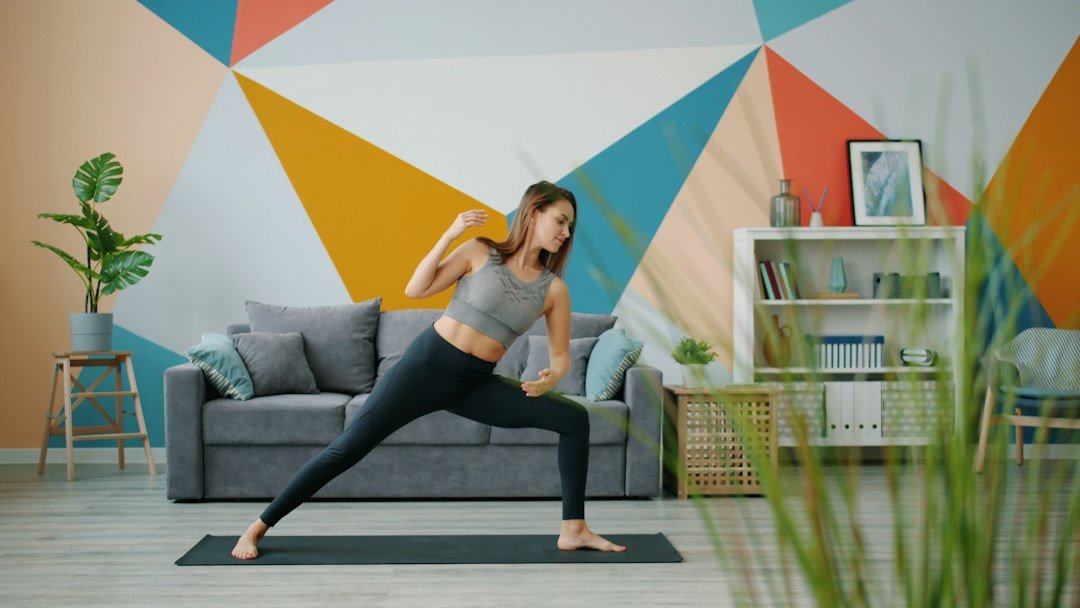
Mobility and recovery day — short, focused work
Why it earns a slot: mobility reduces stiffness, improves movement quality for strength work, and speeds recovery so you can keep training consistently.
- Foam rolling or self-massage (optional, 3–5 minutes)
- Dynamic hip openers, thoracic twists, calf stretches (8–10 reps each)
- Breathing and 3–5 minutes of light stretching to finish
Minimal equipment that actually helps
Most beginners do fine with bodyweight alone, a mat, and one small investment that scales: adjustable dumbbells. They replace multiple fixed weights, save space, and let you increase load gradually. A basic resistance band set also covers many pulls and assisted moves.
Track progress without turning it into a chore
Pick one simple metric and record it weekly: total reps per workout, time spent moving, or a single exercise PR (e.g., plank time or dumbbell weight). Use a notebook, a calendar checkbox, or a basic fitness tracker.
Where to simplify when life gets busy
If you miss a planned session, choose a "micro-session": 10 minutes of mixed movement — 1 minute cardio, 1 minute strength, repeat. It maintains habit and keeps momentum without requiring a full hour. Also: reduce rounds before cutting exercise days entirely.
How to progress safely over the first three months
Month 1: establish consistency — prioritize completing planned sessions. Month 2: add one extra round or 2–5 minutes to sessions. Month 3: increase weight or intensity on one exercise each session. Progress slowly: more frequent small steps beat sporadic big jumps.
Quick product fit: when to buy and what to choose
Buy adjustable dumbbells if you can commit to 2–3 strength sessions weekly and have space to store them. If you want tracking, a fitness tracker is useful but optional early on — basic recording will do.
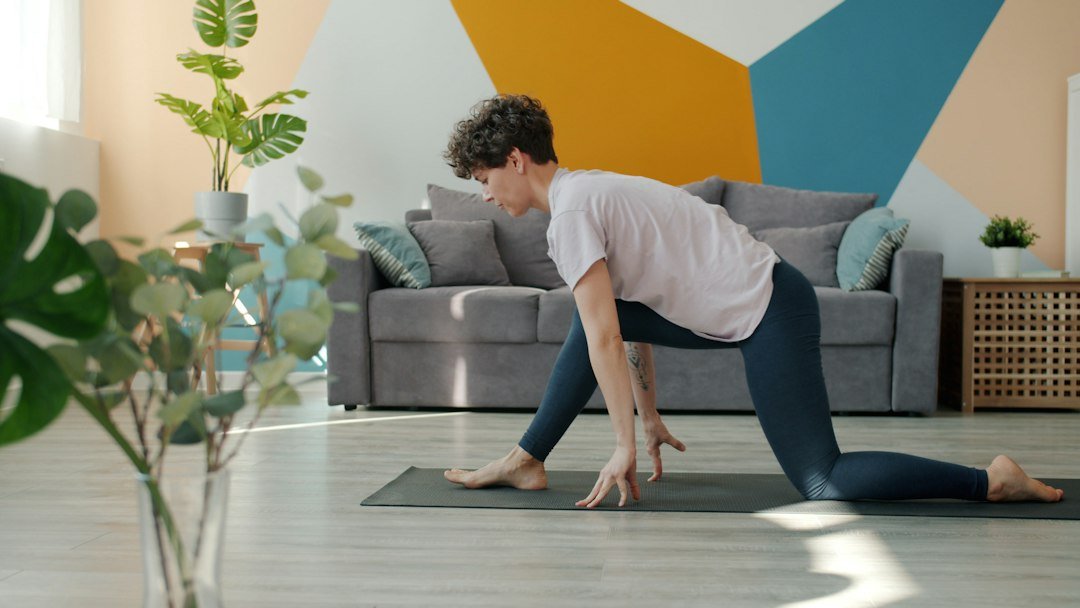
Putting the plan into a weekly template
Example 4-day template:
- Monday — Strength (30 min)
- Wednesday — Cardio intervals (20 min)
- Friday — Strength (30 min)
- Sunday — Mobility and light activity (20 min)
Switch a strength day for an extra cardio or mobility session if you prefer. The important decision is consistency, not the exact lineup.
- Choose 3–4 days per week and add them to your calendar.
- Include a 5-minute warm-up and 3–5 minute cool-down each session.
- Select one strength and one cardio template to repeat for a month.
- Decide if you’ll buy adjustable dumbbells or use bodyweight only.
- Pick a single progress metric and record it weekly.
- Prepare a 10-minute micro-session for busy days.
A home fitness routine works best when it’s short, regular, and simple: pick days that fit your life, rotate strength/cardio/mobility, use minimal equipment like adjustable dumbbells if you want to progress, and track one metric to stay motivated.
How long should a beginner home workout be?
Start with 15–30 minutes. Consistency matters more than duration; even 15 minutes done regularly builds habit and fitness.
Do I need equipment to get started?
No—bodyweight covers most beginner needs. A set of adjustable dumbbells or resistance bands helps progress strength without taking much space.
How often should I change my routine?
Keep the same three templates for 4–6 weeks to build consistency, then adjust intensity, reps, or add weight to progress.
What if I only have 10 minutes?
Do a micro-session mixing 1 minute cardio and 1 minute strength exercises for 10 minutes — it preserves habit and provides benefits.
How can I avoid injury at home?
Prioritize proper warm-ups, use controlled movements, start with conservative loads, and stop if you feel sharp pain. Seek professional advice for pre-existing conditions.