Agent Login
 Wishlist

Baby care essentials: what new parents actually need first
A common misconception is that you must buy every gadget advertised for babies. In reality, a small set of reliable essentials covers most day‑to‑day needs. Focus first on safe sleep, clean diapering, simple feeding and basic soothing tools—those repeat dozens of times a day.
Safe sleep setup that reduces risk and simplifies nights
Put safety before convenience: a firm, flat mattress in a crib or bassinet, a fitted sheet, and nothing else in the sleep area (no toys, bumpers, loose blankets). Use a properly installed rear‑facing car seat for travel; practice installing it before the baby arrives or visit a local fitting station.
Tip: Choose breathable clothing and a wearable sleep sack instead of blankets so you can keep the room at a comfortable temperature (about 68–72°F / 20–22°C) without loose covers.
Diapering basics — more about setup than brand
What matters most is placement and organization: a dedicated changing surface, an easy grab for clean diapers and wipes, and a secure place for used diapers. Stock two main diapering kits—one for upstairs, one for outings—instead of multiple full sets.
- Essentials: diapers (disposable or cloth), unscented wipes, diaper rash cream, a changing pad, and a small diaper pail or zip bags for outings.
- Quick win: Keep a "one-minute kit" on your changing station—three diapers, a pack of wipes, a disposable pad or cloth—so you can handle immediate changes without searching.
Feeding: basics that cover bottle and breastfeeding
Whether breastfeeding or bottle feeding, you need a few universal items: burp cloths, a soft bib, a reliable baby bottle and sterilizing method, and a comfortable feeding chair with support for your arms and back.
If breastfeeding, consider a hands‑free, supportive pillow and a small stash of milk storage bags. If bottle feeding, buy 4–6 bottles to rotate through use and cleaning. A simple bottle brush and drying rack are more useful than extra gadgets.
Bathing and skin care: keep it mild and routine-focused
Newborn skin is thin and sensitive. A shallow infant tub, mild fragrance‑free cleanser, soft washcloths, and a hooded towel are enough for weekly baths until the umbilical cord falls off; sponge baths are fine earlier.
Pick a single fragrance‑free lotion or emollient recommended for newborns if dryness appears. Resist buying multiple products; using too many creams increases risk of irritation.

Soothing tools that actually help—less is more
Babies respond to consistent, simple cues: a pacifier, rhythmic motion, swaddling, white noise and skin‑to‑skin contact. Learn a small repertoire: a 30‑second swaddle, a few minutes of shushing or white noise, and a gentle rocking pattern. That combination handles most fussiness.
Example routine: when fussy in the evening, try a clean diaper check, 2–3 minutes of skin contact and swaddling, then white noise at low volume while walking. If feeding or temperature checks don't settle them, try the pacifier for non‑hungry fussiness.
Monitor health without overcomplicating
A digital thermometer, a reliable nasal aspirator, and a basic first‑aid kit are the core items. Learn normal newborn temperature ranges and when to call the pediatrician (fever, difficulty breathing, poor feeding, or yellowing skin).
Keep contact numbers for your pediatrician, after‑hours nurse line and local emergency services in the diaper bag or phone for quick access.
Clothing and laundry: practical choices that save time
Choose soft, simple clothing with easy fasteners—snap crotches, front zippers, and no tiny decorative pieces. Plan for frequent outfit changes: 6–8 onesies, 4 sleep outfits, a few swaddles and 3–4 hats for cooler weather.
Wash new clothes with a gentle, fragrance‑free detergent and avoid fabric softeners for the first months. A small mesh laundry bag helps protect baby socks and mittens.
One product pick to simplify outings
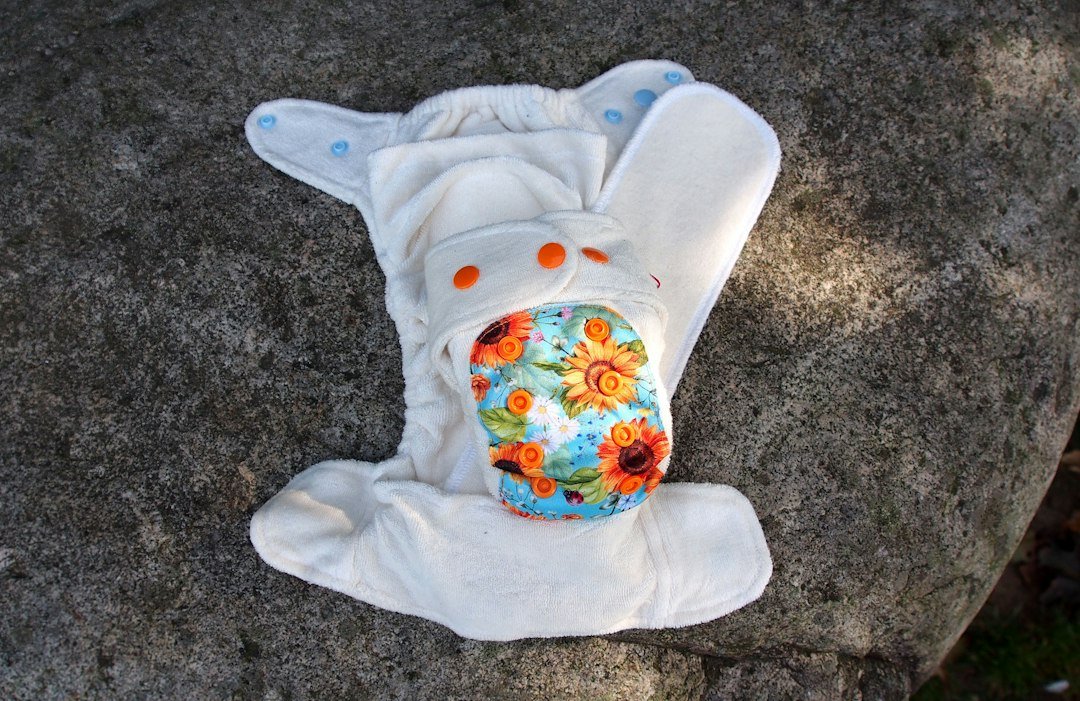
When you need a single item to make life easier outside the house, an organized toiletry/essentials bag is invaluable: it keeps diapers, wipes, a change of clothes, a small first‑aid kit and feeding items together so exits are fast and less stressful.
Organization and routines that reduce friction
Small systems beat big lists. Set up three spots: the changing area, a feeding corner (chair + bin of burp cloths), and an "grab bag" near the door. Rotate restocking to the same time each week—after laundry or grocery runs—so you rarely run out.
Checklist to get ready for day one
- Confirm car seat is correctly installed and practice buckling/unbuckling.
- Set up one well-stocked changing station and a smaller travel kit.
- Choose 4–6 bottles or breastfeeding support items and a feeding chair.
- Buy a digital thermometer and assemble a basic first‑aid kit.
- Prepare a wearable sleep sack and a firm crib or bassinet with a fitted sheet.
Start with a short list of safety and comfort items that you’ll use every day: safe sleep gear, a compact diapering setup, simple feeding tools and a few soothing methods. Invest in one organized grab bag to make outings less chaotic.
How many diapers should I have on hand for a newborn?
Plan for about 8–12 diapers per day for the first weeks; keep a small on‑hand stash of two full packs or a week’s worth at home and a few in your travel kit.
When should I buy a crib versus a bassinet?
A bassinet is useful for the first 3–6 months if you want the baby nearby; buy a crib when you want a longer‑term sleep space—both must meet current safety standards.
Do newborns need special detergent?
Use a mild, fragrance‑free detergent for the first months to reduce skin irritation; you don’t need specialty products unless advised by a pediatrician for eczema.
What’s the easiest way to learn car seat installation?
Read the manual, watch a trusted tutorial, and—if possible—get a certified technician to check your installation at a local fitting station.
How often should newborns be bathed?
Two to three times a week is fine for most newborns; sponge baths are appropriate until the umbilical cord stump falls off.