Agent Login
 Wishlist
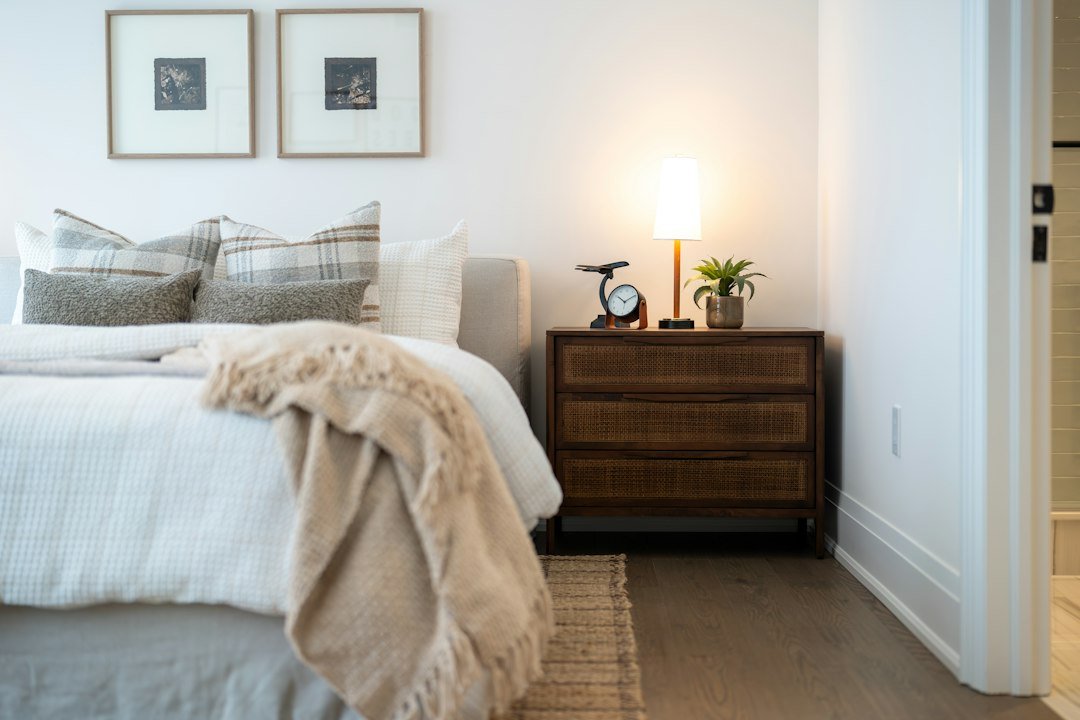
A familiar moment: you crawl into bed but your room still feels restless
You dim the lights, pull the covers up, and your mind is loud or the room feels busy—lamps clash, clothes pile on a chair, or the window lets in street glow. To actually make your bedroom relaxing, focus on a few practical changes you can do tonight: adjust light and sound, simplify the visual field, and choose tactile details that invite rest. Below are straightforward, often inexpensive ways to create a calmer bedroom that helps you unwind and sleep better.
Make light work for calm
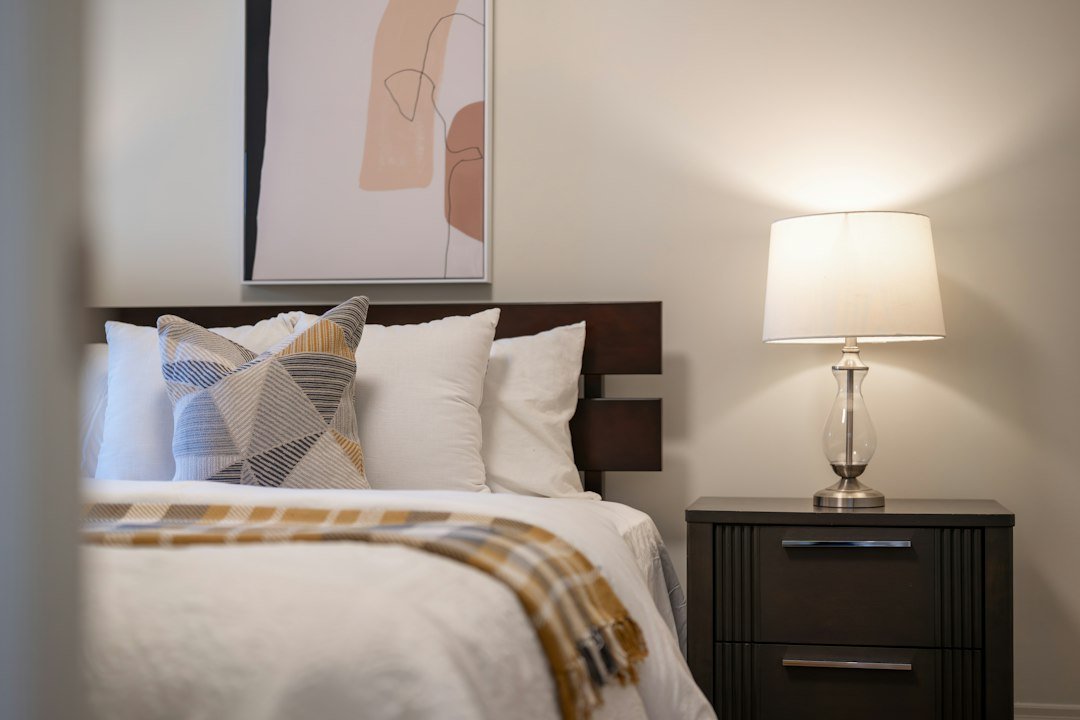
Bright overhead lighting and mixed temperatures (bluish ceiling lights plus warm lamp light) disrupt the brain’s wind-down. Swap harsh bulbs for warm (2700K–3000K) bulbs and use layered lighting: one warm bedside lamp for reading, a dimmable overhead for tasks, and optional string lights for soft ambience. Add a small plug-in dimmer or smart bulb you can lower from your phone or a bedside switch so you can reduce brightness without getting up.
Control glare and outside light
Blackout curtains are an easy upgrade if streetlights or early sun wake you. If curtains aren’t an option, use a blackout roller or a sleep mask. For daytime naps or shift work, consider a curtain liner plus a light-blocking topper for a neat look.
Quiet the room—sound matters
Identify the dominant noise: neighbors, HVAC hum, street traffic. A simple white-noise device or app smooths sudden sounds; place it near the bed but not directly under your pillow. If most noise is high frequency (sirens, chatter), a small fan or low-volume white noise machine helps mask it. For persistent low-frequency hums, check appliances and consider adding a rug or heavy curtains which absorb sound.
Declutter one view at a time
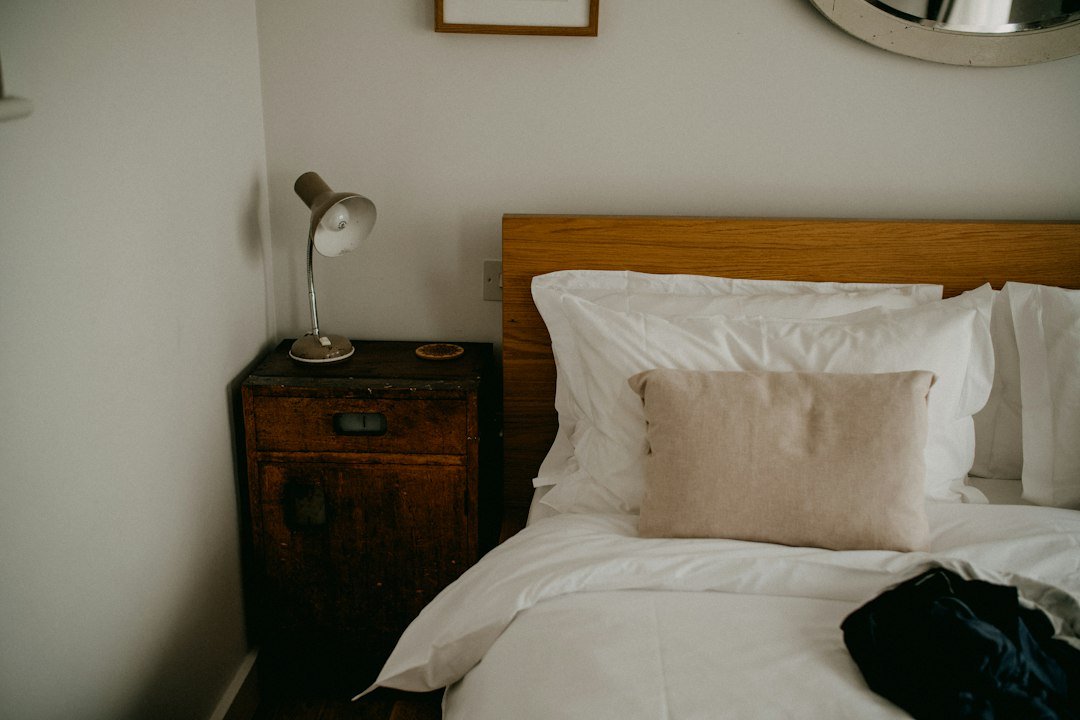
Visual clutter keeps your brain alert. Instead of an overhaul, pick one sightline—the area you see from bed—and clear it tonight. Put away laundry, hide chargers in a basket, and keep surfaces to one or two meaningful items: a lamp and a book, or a plant and a glass. Use storage that looks tidy—a woven basket, a lidded box, or a simple tray—so essentials live within reach without visual noise.
Choose bedding that invites touch
Texture affects relaxation. Swap thin, scratchy sheets for a softer weave—brushed cotton, jersey, or long-staple cotton feel cozy without overheating. Add a breathable duvet or comforter and a soft throw at the foot of the bed for layered coziness you can peel on or off. If overheating is an issue, prioritize breathable sheets and a lighter duvet with a cooling sheet set.
Use scent and temperature to cue sleep
Smell and temperature are powerful cues. A light lavender spray on pillows or an essential oil diffuser set low can signal relaxation—use one or two sprays, not heavy fragrance. Aim for a bedroom temperature around 60–68°F (15–20°C) for most people; open a window briefly or use a small fan to help reach that range.
Improve air: humidity and freshness
Dry or stale air can make sleep restless. For many homes, a compact humidifier balances moisture—especially in winter—reducing dry throat and promoting comfort. A small humidifier near the bed can make a noticeable difference without taking much space.
The DREO 4L humidifier (Rank #1) is a good option when you need a quiet, bedroom-friendly unit that runs through the night. Place it on a stable surface at least a foot from the bed and follow the manufacturer's cleaning guidance to avoid buildup.
Bring in a low-maintenance plant or two
Greens add life without noise. Choose easy plants like snake plant or pothos; they require little light and low fuss. Put one on a nightstand or a corner shelf to soften angles and add a calming natural element. Avoid high-pollen or heavily flowering varieties if you have allergies.
Create a bedtime ritual and anchor it with space
Turn the bedroom into a place for sleep and calm by keeping work and exercise out of it where possible. Design a short ritual: dim lights, change into sleep clothes, take five minutes to read or breathe, then lights out. Consistency helps the brain associate the room with rest.
Small styling choices that make a big difference
- Limit patterns and strong contrasts on large surfaces—choose one or two soothing colors and stick to them.
- Keep bedside surfaces functional: a lamp, a water glass, and one book. Use cord organizers to hide chargers.
- Add a soft rug at the bed’s side to create a cozy landing when you step out of bed.
Checklist before you go to sleep tonight
- Dim bedside light to warm bulbs or use a table lamp.
- Clear one viewable surface of clutter (nightstand or dresser).
- Set white noise or fan to mask disruptive sounds.
- Lay out soft bedding and a light throw within reach.
- Fix room temperature or crack a window for cool air.
- Turn on a humidifier if the air feels dry.
Making your bedroom relaxing is largely about controlling sensory inputs: lower and warmer light, reduced visual clutter, soft tactile bedding, manageable sound, and comfortable air. Make one visible change tonight and add the others over a few weeks.
Will changing bedding really help me sleep better?
Softer, breathable bedding improves comfort and can reduce wakefulness, especially if you tend to overheat or feel itchy on rough fabrics.
Are humidifiers necessary for a relaxing bedroom?
Not always, but in dry climates or during winter heating, a small humidifier can reduce throat dryness and make sleep more comfortable.
How can I reduce outside light without blackout curtains?
Use a blackout roller shade, hang a thicker curtain liner, or use a comfortable sleep mask if window treatments aren't an option.
Can scent in the bedroom be a problem?
Heavy fragrances can be irritating; choose light, natural scents and use them sparingly—one or two sprays or a low-output diffuser is enough.
What if I can’t remove work from my bedroom?
Create a distinct work zone with a small desk and storage that can be closed or covered at night, and use a ritual to transition the space from work to rest.