Agent Login
 Wishlist
What really matters (and what you can ignore)
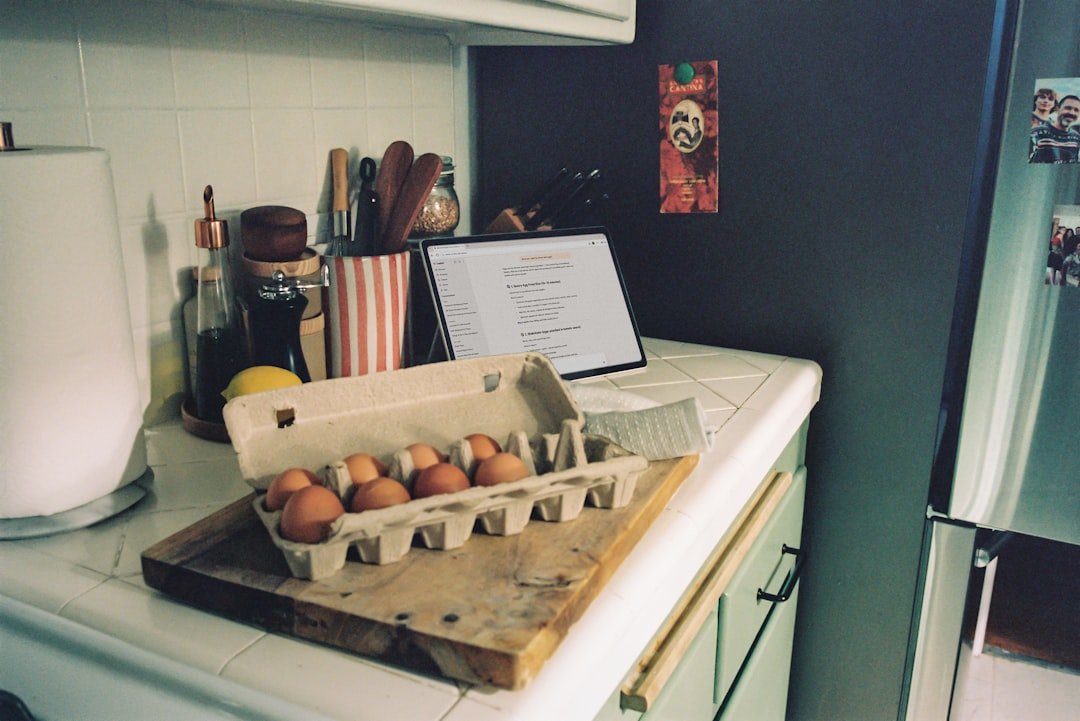
When weekdays are tight, the goal of meal prep is twofold: reduce daily decision-making and lower active cooking time—not to cook like a restaurant every Sunday. Ignore perfection: you don’t need elaborate recipes, precise mise en place, or a huge time block. Focus on three practical wins: plan one core protein or grain for the week, prep versatile components you can recombine, and store them so they stay good through Friday.
Start with a realistic plan you’ll actually follow
Spend 10–15 minutes on Sunday (or your least-busy evening) to map the week. Rather than scripting every dinner, choose a rotating template such as “grain + veggie + protein” or “bowl, salad, stir-fry, and one sheet-pan night.” That reduces decision fatigue and makes shopping focused.
- Pick 2-3 dinners and 3 grab-and-go lunches. Repeats are fine.
- Write meals on a sticky note on the fridge so everyone knows what’s available.
- Buy ingredients that overlap (e.g., roasted sweet potato works for bowls and tacos).
Batch-cook the components, not full plated meals
Batching components keeps variety and extends freshness. Roast one tray of vegetables, cook a pot of grain, and grill or bake a protein. Mix and match during the week to avoid burnout.
Practical example: roast a tray with broccoli, bell pepper and chickpeas; cook quinoa; bake a sheet of salmon. Day 1—bowl with quinoa and roasted veg; Day 2—salad with flaked salmon; Day 3—wrap with leftover veg and hummus.
Make breakfasts and lunches almost zero-effort
Breakfast and lunch are where small repetitive preps pay off most.
- Overnight oats: assemble jars with oats, milk, chia and fruit for 3–4 days.
- Mason jar salads: layer dressing on bottom, hearty veggies next, greens last—shake to eat.
- Snack packs: portion nuts, cut fruit, and cheese into small containers for easy reach.
Prep versatile parts—grains, roasted veg, proteins—and recombine them. That keeps meals interesting without extra cooking time.
Use storage strategies that extend life and speed reheating
How you store food determines how often you’ll actually eat it. Cool cooked food quickly, portion into meal-size containers, and label with date and contents. For items you’ll keep more than three days, freeze or vacuum-seal them.
Tip: put sauces and dressings in separate small containers to prevent soggy salads.
Freezer-friendly meals: what to freeze and how
Freeze stews, cooked grains, meatballs, and portioned soups. Use flat, stackable freezer bags so you can thaw only what you need. Thaw in the fridge overnight for lunches, or slip a sealed bag into warm water for faster results.
If you plan to freeze frequently, a compact vacuum sealer helps reduce freezer burn and extend freshness—useful for cooked proteins, large-batch sauces and marinated items.
Smart tools that genuinely save time (and which to skip)
Helpful: a sharp chef’s knife, nesting storage containers with airtight lids, a sheet pan, and a compact vacuum sealer if you freeze or stash bulk buys. Skip single-use specialty tools unless you already love using them (e.g., an egg cooker or waffle maker often sits unused).
Invest in a set of clear, microwave-safe containers that stack—visual inventory reduces guesswork and wasted food.
Flavor-preserving shortcuts for busy cooks
Small moves keep weekday food from tasting repetitive:
- Keep a few jarred condiments (harissa, pesto, chili crisp) to change profiles quickly.
- Freshen cooked grains with a squeeze of lemon and chopped herbs before serving.
- Toast spices in a dry pan for 30 seconds to wake them up, then toss with veg or legumes.
Two quick meal templates you can follow any week
Template A — Grain bowl (10–15 minutes to assemble): base of grain + roasted vegetable + protein + one sauce. Swap flavors weekly (e.g., tahini vs. soy-ginger).
Template B — Sheet-pan swap (30–40 minutes prep and roast): toss protein and veg with one seasoning, roast, portion into containers. One pan, one roasting time, multiple meals.
When to DIY vs. buy prepped food
Do it yourself when: you want control over portions, salt, and cost. Buy prepped when time is exceptionally tight or when the price of convenience is worth the saved hours. A hybrid approach—one homemade dinner and one store-roasted chicken for the week—often works best.
Small habits that keep meal prep sustainable
- Cook one extra portion whenever you make dinner and add it to the lunch box pile.
- Clean as you go so the prep session doesn’t feel like an extra chore.
- Rotate two-week menus to simplify shopping and reduce decision fatigue.
Practical examples for a single prep session
Example 30–45 minute session: roast a sheet pan of mixed veg, cook a pot of brown rice, pan-sear chicken thighs with a spice rub, and assemble three mason jar salads. Label containers by day. This produces 4–6 lunches and 2–3 easy dinners.
Wrap-up before you open the fridge
Meal prep doesn’t need to be a marathon—10–45 minutes of focused work can erase weekday friction. Prioritize versatile components, store them well, and use a couple of small tools to extend freshness. Start with one simple routine and refine what you keep doing each week.
- Choose 2–3 dinner templates and list ingredients.
- Batch-cook one grain, one protein, and one tray of vegetables.
- Portion lunches into stackable containers and label dates.
- Set aside breakfasts (overnight oats or jars) for 3 mornings.
- Freeze or vacuum-seal extras that won’t be eaten within three days.
- Keep 2–3 condiments to vary flavors quickly.
Focus on components, not perfection. Batch-cook versatile staples, store them properly, and use a small set of tools to keep food fresh—this reduces weekday cooking to quick assembly rather than full meals every night.
How long will prepped meals last in the fridge?
Most cooked components are good for 3–4 days refrigerated; separate wet ingredients like dressings to prevent sogginess. Freeze anything you won’t eat within that window.
Is vacuum sealing necessary for home meal prep?
No—it's optional. Vacuum sealing is helpful if you freeze often or buy in bulk because it reduces freezer burn and saves space.
What are fast protein options for meal prep?
Rotisserie chicken, baked salmon, canned tuna, cooked lentils, or baked tofu are quick, flexible protein sources that store well.
Can I prep meals if I don’t own many containers?
Yes—use foil pans for short-term meals, mason jars for salads/oats, or reusable silicone bags. Prioritize stackable, airtight containers as soon as convenient.