Agent Login
 Wishlist
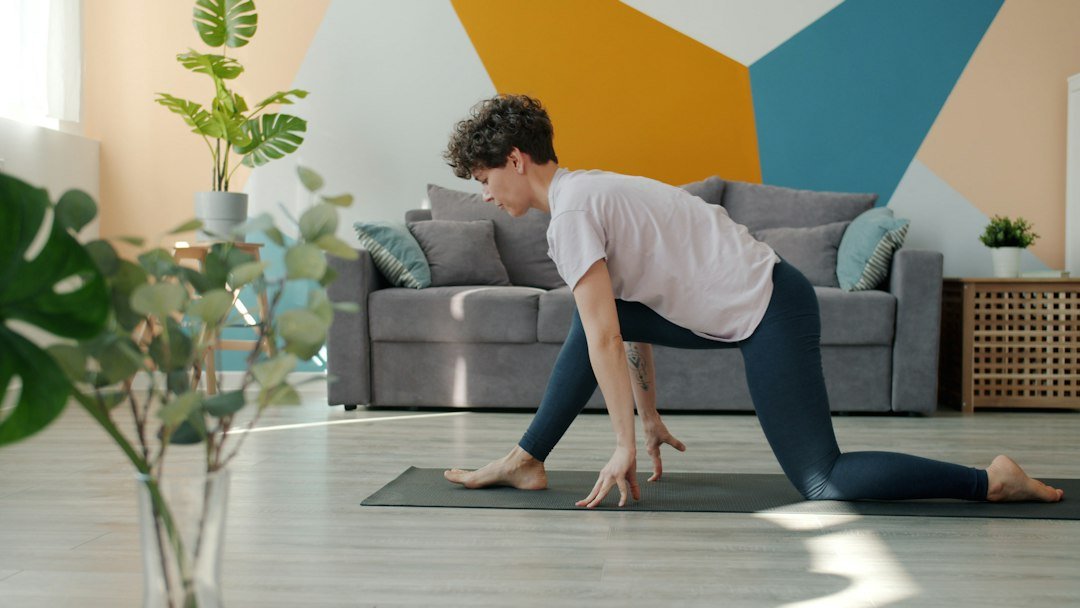
What you’ll have if you stick with this: steady weekly workouts that fit your home life
Most people expect “consistency” means long daily sessions and rigid schedules. The more useful truth: consistent home fitness comes from small, repeatable actions that survive busy weeks. This guide shows a realistic process to build durable habits, plan short effective sessions, track progress and adapt when life gets in the way.
Create a clear, realistic target before you start
Decide what “consistent” means for you: a time-based goal (e.g., 20–30 minutes), frequency (3× per week), or performance target (do 15 full push-ups). Choose one primary target and one small stretch goal. When you focus on a single measurable aim, decisions become easier—schedule, equipment needs and tracking follow naturally.
Design sessions that fit your space and energy
At home, the simplest sessions are the ones you’ll do. Aim for routines that require minimal set-up and one or two pieces of equipment so resistance and variety remain possible.
- Micro sessions (10–15 minutes): useful on busy days—bodyweight circuits (squats, push-ups, planks, glute bridges) or a quick HIIT set of 20/10 intervals.
- Standard sessions (20–40 minutes): mix mobility/warm-up, 2–3 strength moves and a short cardio finisher (jump rope, high knees). Use adjustable dumbbells or resistance bands to scale intensity.
- Recovery sessions (15–25 minutes): slow yoga, mobility drills or a guided stretching routine after heavy days.
Block time and create an unambiguous cue
Consistency depends on replacing decisions with cues. Put workouts on your calendar like any appointment. Use a fixed cue that matches your life: right after morning coffee, during a lunch break, or immediately before dinner. Keep the cue simple (e.g., “when the kettle clicks, I do 15 minutes”) and prepare the environment: mat out, shoes visible, tracker on your wrist.
Use habit stacking and friction reduction
Attach your workout to an existing routine (habit stacking): after brushing your teeth, do mobility; after your commute ends, change into workout clothes and move. Reduce friction: leave equipment set up, keep a dedicated basket for gear, and program playlists or short guided sessions so you don’t waste time deciding.
Make workouts short but progressive
Short workouts encourage consistency but must still progress. Use one of these simple progression rules:
- Add 1–2 reps or 5–10 seconds to a hold each session.
- Increase resistance (heavier dumbbells or tighter band) every 2–3 weeks.
- Turn a straight set into a circuit or reduce rest to raise intensity.
If you want a reliable all-in-one option for adding resistance without buying many sets, an adjustable dumbbell set is a compact home solution that helps progression without clutter.
Track progress without making it a chore
Progress tracking keeps motivation honest. Use a simple system: a calendar checkmark, a weekly log of workouts completed, or brief notes on reps/weights. If you prefer tech, a basic fitness tracker helps monitor heart rate, daily activity and sleep—useful for pacing intensity and recovery.
What to record each session
- Date and duration
- Main focus (strength, cardio, mobility)
- One performance metric (reps of a key exercise, time held, or distance)
- How you felt (energy level 1–5)
Troubleshoot common setbacks
Here are quick fixes for three frequent problems.
- Low motivation: switch to a 10–minute “do something” rule—start small and you’ll often continue. Schedule variety to avoid boredom.
- Too busy: replace one standard session with two micro sessions (10 min morning, 10 min evening) to keep overall volume steady.
- Plateauing: increase load, reduce rest, or change movement patterns (swap bodyweight squats for goblet squats with a dumbbell).
Adapt for space, equipment and seasons
Not everyone has a home gym. Use bodyweight patterns and household items (filled water jugs, backpacks with books) when needed. On rainy or busy weeks, prioritize consistency over intensity: 15 minutes of movement beats zero. In colder months, move sessions to a brighter room or add a short dynamic warm-up to reduce stiffness.
When to seek more structure or expert help
If your goals require precise outcomes—training for a race, significant strength gains or rehab from injury—consider a short program from a coach or a tailored plan. For general consistency and health, the approaches here are sufficient for most people.
- Set one clear weekly target: sessions × length or a performance goal.
- Pick a consistent cue and block time on your calendar.
- Prepare a 10–30 minute session template you can do anywhere.
- Choose a simple tracking method and record each session.
- Reduce setup friction: equipment visible and ready.
Consistency at home is built from tiny, repeatable decisions: a single measurable target, short progressive sessions, a reliable cue and minimal friction. Focus on doing slightly more over time rather than perfect sessions every day.
How often should I work out at home to see progress?
For general fitness, aim for 3 sessions per week of 20–40 minutes; progress is visible when you increase intensity or load gradually over several weeks.
Can short 10-minute workouts really help with consistency?
Yes—10-minute sessions reduce barriers and maintain habit momentum; combine them or increase intensity over time to keep improving.
Do I need equipment to stay consistent?
No—bodyweight routines can sustain consistency, but a single tool like adjustable dumbbells extends progression and variety without major space needs.
How should I handle missed workouts?
Skip the guilt: reschedule or do a micro session the same day. Consistency is measured across weeks, not every single day.
What’s an easy way to monitor recovery at home?
Track sleep quality, resting heart rate with a tracker, and subjective energy scores—if energy drops, prioritize recovery sessions and reduce intensity briefly.