Agent Login
 Wishlist
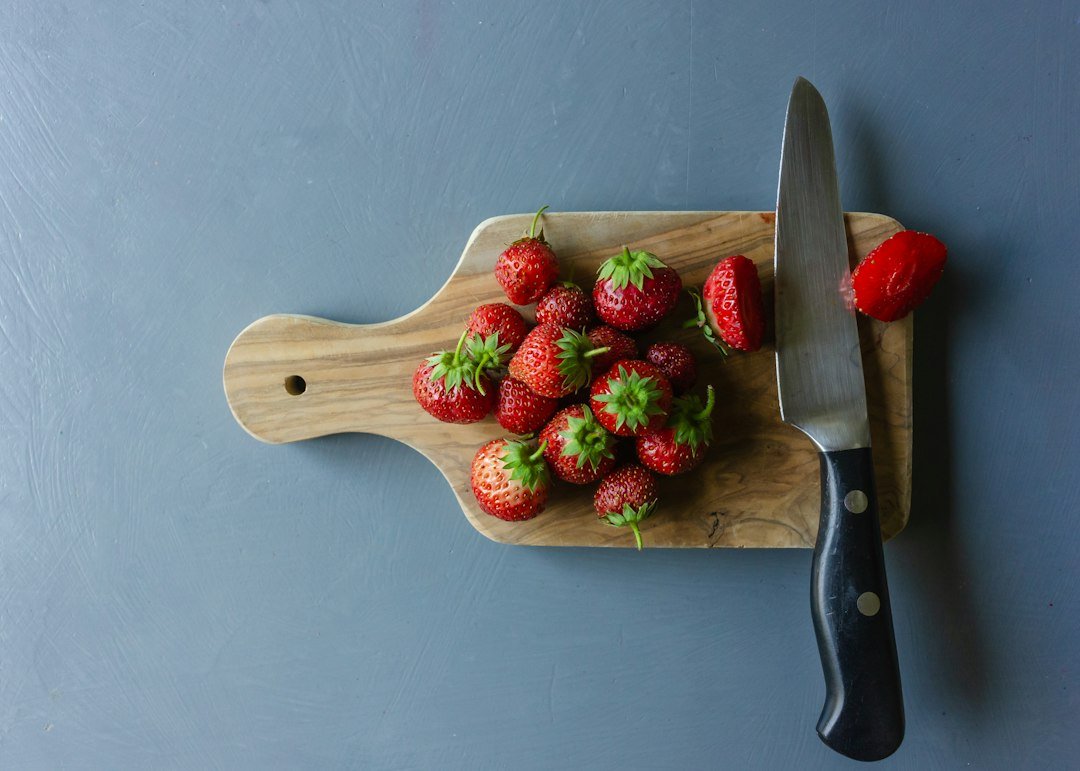
When dinner’s due in 30 minutes and the recipe calls for “finely chop,” do you frantically search for something sharp while a pot waits on the stove?
That scramble is what good kitchen essentials prevent. Kitchen essentials are the few, reliable tools and pantry items that make everyday cooking faster, safer and more forgiving. Below are the practical items to own, why they matter, and quick tips for choosing the right version for your kitchen and budget.
Essential prep tools that speed every recipe
Good prep tools shorten work and improve results. Start here.
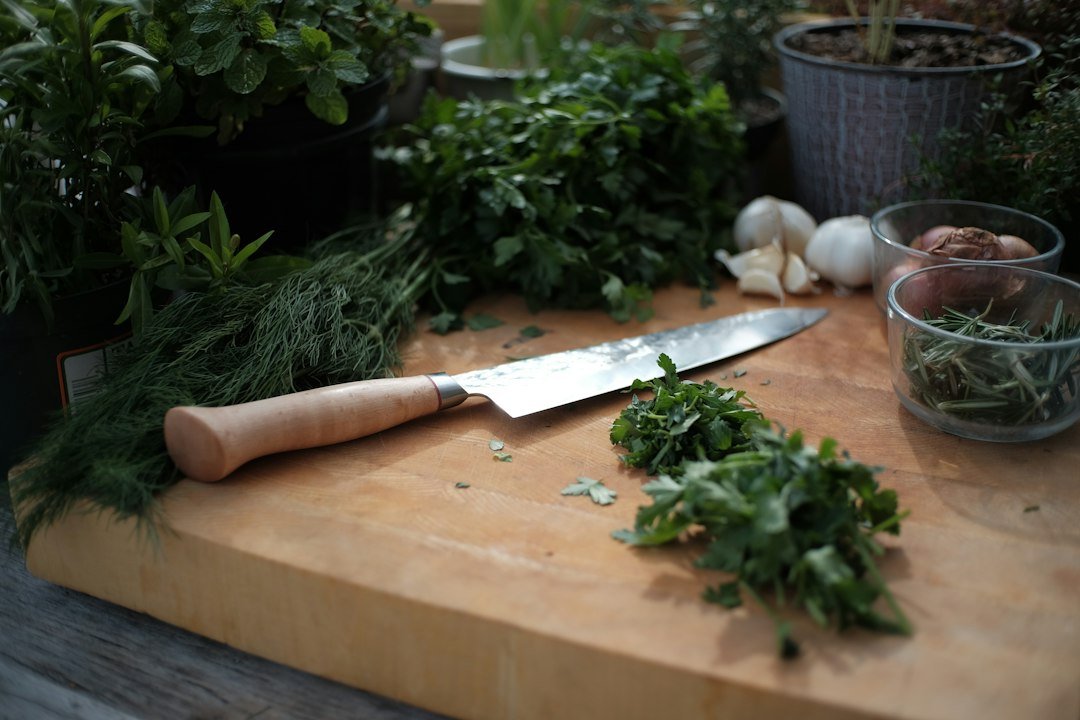
- Chef’s knife (8–10"): A single high-quality chef’s knife replaces many specialty knives. Choose a comfortable handle and a blade you can sharpen; test balance in hand if possible. Keep it sharp—dull knives are more dangerous than sharp ones.
- Paring knife: Small tasks—peeling, trimming, hulling—are faster with a compact blade. It’s worth owning even if you mostly use a chef’s knife.
- Cutting boards: Have one wooden board for vegetables and a separate plastic board for raw meat (easier to sanitize). A board with juice groove helps for roasts and citrus.
- Measuring cups and spoons: Use dry measuring cups for flour/sugar and liquid measuring cups for stocks and milk—it matters for baking accuracy. Metal sets resist warping and last longer.
- Box grater or microplane: A coarse side for cheeses and a fine microplane for zest and garlic add huge flavor with minimal fuss.
Cookware that covers most dishes
A compact, well-chosen set of pans replaces clutter and saves money long term.
- Nonstick skillet (10–12"): Best for eggs, pancakes and quick sautés. Look for a sturdy base and avoid overheating—nonstick coatings degrade at high temps.
- Cast-iron skillet: For high-heat searing, oven-finished dishes and long life. A well-seasoned cast iron can make better-looking and tasting crusts than a lighter pan.
- Saucepan (2–3 quarts): For grains, sauces and reheating. A lid that fits snugly is worth it.
- Stockpot (6+ quarts): Necessary if you cook soups, pasta or large batches. If you rarely make large quantities, a 4–6 quart pot can often suffice.
Small gadgets that make a big difference
These inexpensive items solve recurring inconveniences.
- Digital instant-read thermometer: Confirms doneness for meat, poultry and even baked goods—no guesswork. It prevents overcooking and reduces food safety risks.
- Colander or fine-mesh sieve: For draining pasta, rinsing grains and washing berries. Fine mesh is essential if you cook quinoa or rinse sauces.
- Silicone spatula and wooden spoon: Heat-safe tools that don’t scratch pans; silicone is better for nonstick surfaces.
- Tongs: Reach into hot pans, flip vegetables and retrieve pasta without burns. Spring-lock tongs store compactly.
Food storage and organization basics
Safe storage keeps food fresher and your fridge usable.
- Glass food storage containers with airtight lids: Clear, oven-safe options are best for leftovers and meal prep—they stack, don’t stain, and you can reheat in some models. (See product suggestion below.)
- Reusable produce bags and a small set of labels: Label date and contents for leftovers. A masking-tape-style label works well on lids.
- Spice rack starter: Salt, black pepper, one good chili or paprika, ground cumin and one mixed herb like oregano will cover many recipes; buy whole spices if you use them often and grind as needed for flavor.
Pantry staples to keep on hand
These allow you to build most weeknight dinners without a special grocery run:
- Neutral oil (vegetable or canola) and olive oil for finishing
- All-purpose flour and long-grain rice
- Dry pasta, canned tomatoes, and a couple of canned beans
- Low-sodium chicken or vegetable stock
- Vinegar (white, apple cider or red wine) and soy sauce
- Salt (table and kosher) and a dependable pepper grinder
How to prioritize purchases if you’re starting from scratch
Begin with tools that remove daily friction and deliver safety.
- Chef’s knife and cutting board: everything else flows from good prep.
- Nonstick skillet + saucepan: covers most quick meals and sauces.
- Instant-read thermometer and a set of storage containers: reduce waste and error.
- Small gadgets: tongs, spatula, measuring set—buy these as you notice gaps.
Care and safety tips that extend tool life
Little habits keep tools working and safe.
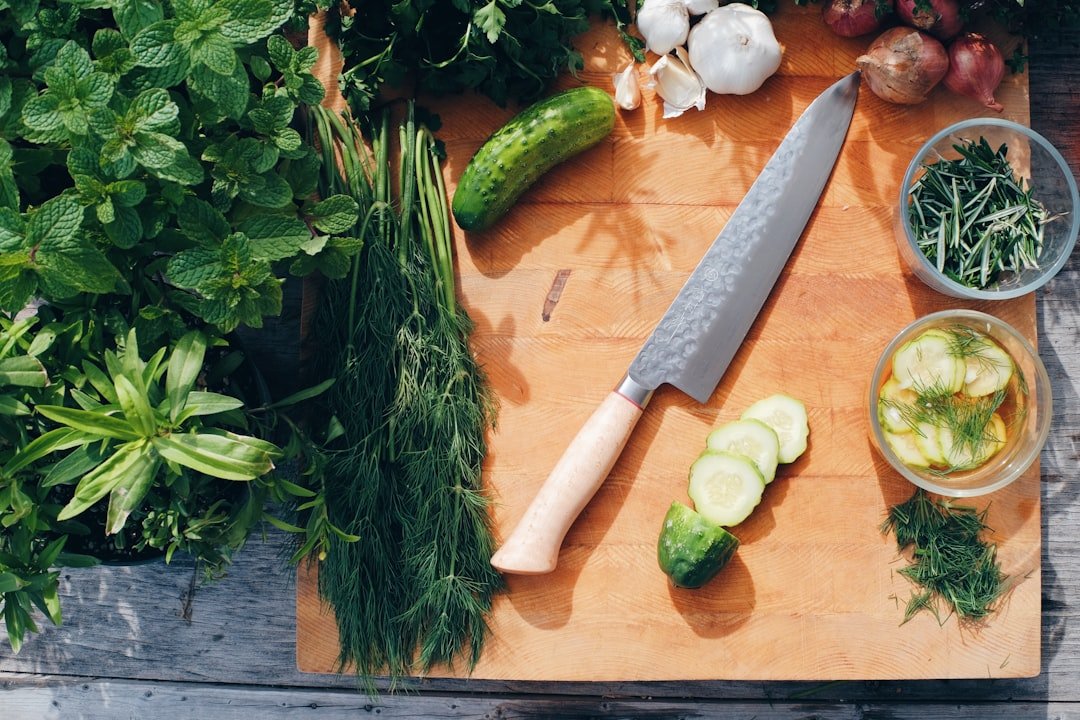
- Sharpen knives regularly and store them on a magnetic strip or in a block to protect edges.
- Don’t overheat nonstick pans; use wooden or silicone utensils with them.
- Dry cast iron thoroughly after washing and rub with oil to maintain seasoning.
- Label leftovers with date; discard after 3–4 days unless frozen.
When a specialty tool is actually worth it
Only add specialty gear when it solves a recurring problem:
- Frequent bread baking? A dutch oven gives bakery-like crusts.
- Love grilled vegetables but have no outdoor grill? A grill pan will mimic char marks indoors.
- Make stocks/weeknight meal prep? A larger stockpot or slow cooker pays for itself in batch cooking time saved.
Final note before you buy
Match tools to how and what you cook. A small kitchen can be fully functional with one good skillet, a saucepan, and reliable knives; a larger household that cooks often will want the extra capacity of a stockpot, cast iron pan and more storage containers.
- Test comfort and balance when choosing a chef’s knife before buying.
- Buy one good skillet and one saucepan before purchasing matching sets.
- Pick separate cutting boards for produce and raw meat.
- Choose airtight glass containers for versatile storage and reheating.
- Keep a digital thermometer within easy reach of the oven or grill.
Start with a few multipurpose, well-made pieces—chef’s knife, a nonstick skillet, a cast-iron pan, a saucepan, measuring tools and airtight containers—and build from there based on what you cook most. These essentials cut prep time, improve results and reduce stress in the kitchen.
Do I need both a nonstick and a cast-iron skillet?
Yes, if you cook a variety of dishes. Nonstick is ideal for eggs and delicate foods; cast iron excels at searing, oven finishing, and high-heat cooking.
What’s the most important knife to buy first?
A reliable 8–10" chef’s knife is the single most useful investment—it handles most chopping, slicing and dicing tasks.
Are glass storage containers better than plastic?
Glass resists staining and absorbs less odor, is often oven-safe, and generally lasts longer, making it a better long-term choice for many cooks.
How often should I sharpen my knives?
Hone your knives weekly with a steel or ceramic rod and sharpen them with a stone or professional service a few times a year depending on use.
Which pantry item will improve quick meals most?
Canned tomatoes and a good stock are the backbone of fast, flavorful weeknight sauces, soups and braises.