Agent Login
 Wishlist
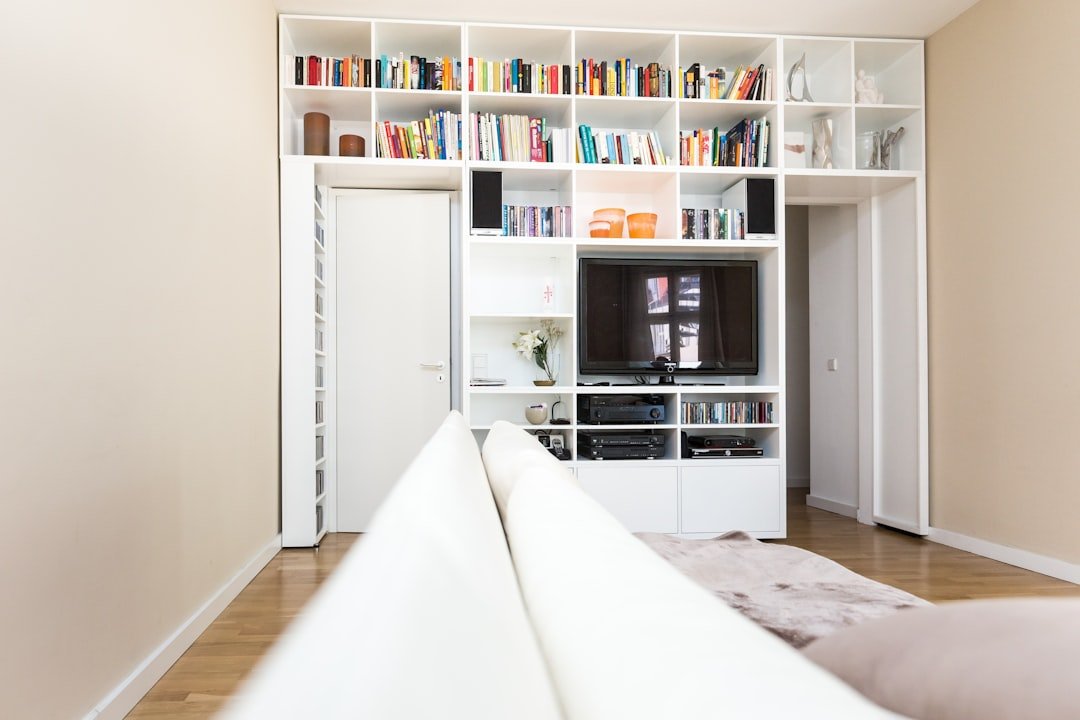
Quick answer: edit, zone, conceal and style so a small home stays organized without feeling crowded
To organize a small home without making it feel cluttered, start by editing what you own, then create clear activity zones, add concealed or vertical storage, and apply a tight styling approach (limited palette, matching containers, and negative space). These four moves preserve function while keeping rooms visually open.
1. Start with editing: reduce decisions and volume
Clutter begins with too many things. Spend an afternoon doing a targeted edit rather than a vague purge. Attack one category at a time (clothes, books, kitchen gadgets) so decisions stay focused.
- Use the 6–12–24 rule: if you haven’t used an item in 6 months, consider donating; 12 months for seasonal pieces; 24 months for duplicates or hobby gear that’s stalled.
- Quick tests: can it be replaced for under $20 if needed? Does it have sentimental value that outweighs its storage cost? If not, let it go.
- Contain the decision: keep donation and discard bags near your exit so remove happens the same day.
Create activity zones so every item has a “home”
Small spaces feel calm when purpose is clear. Map each room to its primary activities and store items where they’re used.
- Entry: shoes, keys, mail. Use a slim console and wall hooks—nothing else should live here.
- Living/sleeping area: keep work or hobby items in a single basket or drawer so the sofa and bed remain restful.
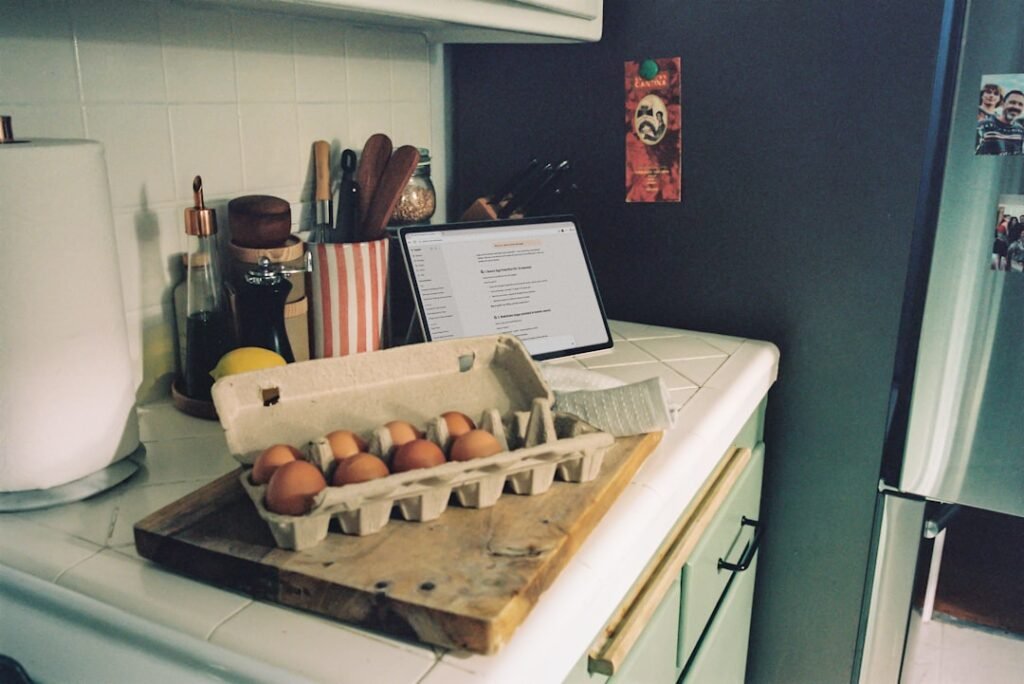
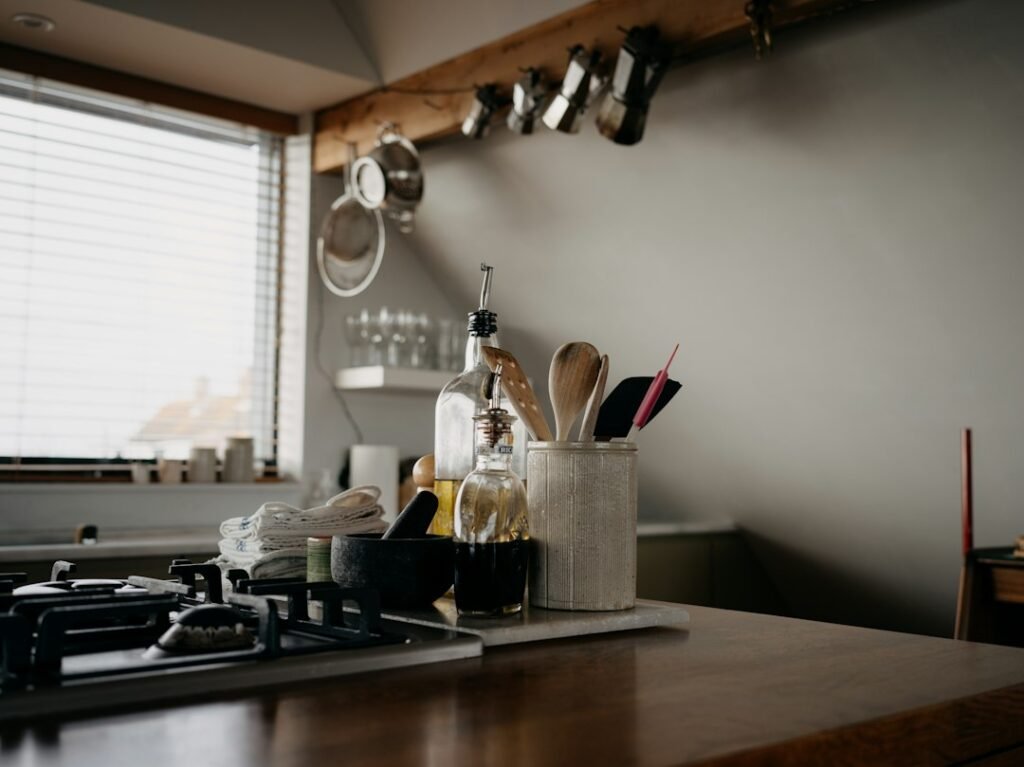
- Kitchen: group tools by task—baking, everyday cooking, coffee/tea—so counters show only the daily essentials.
Label shelves or bins if you share the space—labels reduce the “where does this go?” hesitation that creates piles.
Use vertical and concealed storage to maximize floor space
When square footage is limited, free the floor. Vertical storage and hidden containers preserve openness while keeping things accessible.
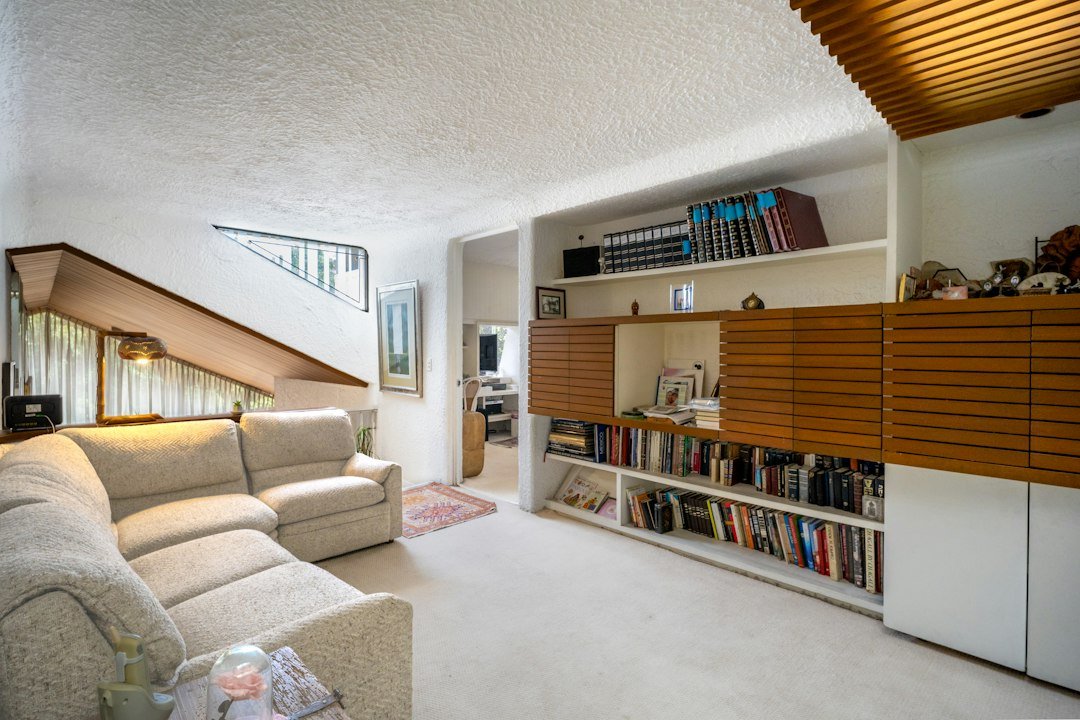
- Install floating shelves or tall narrow bookcases that draw the eye upward and store items out of the way.
- Choose furniture with built-in storage—beds with drawers, ottomans with lids, and coffee tables with shelves.
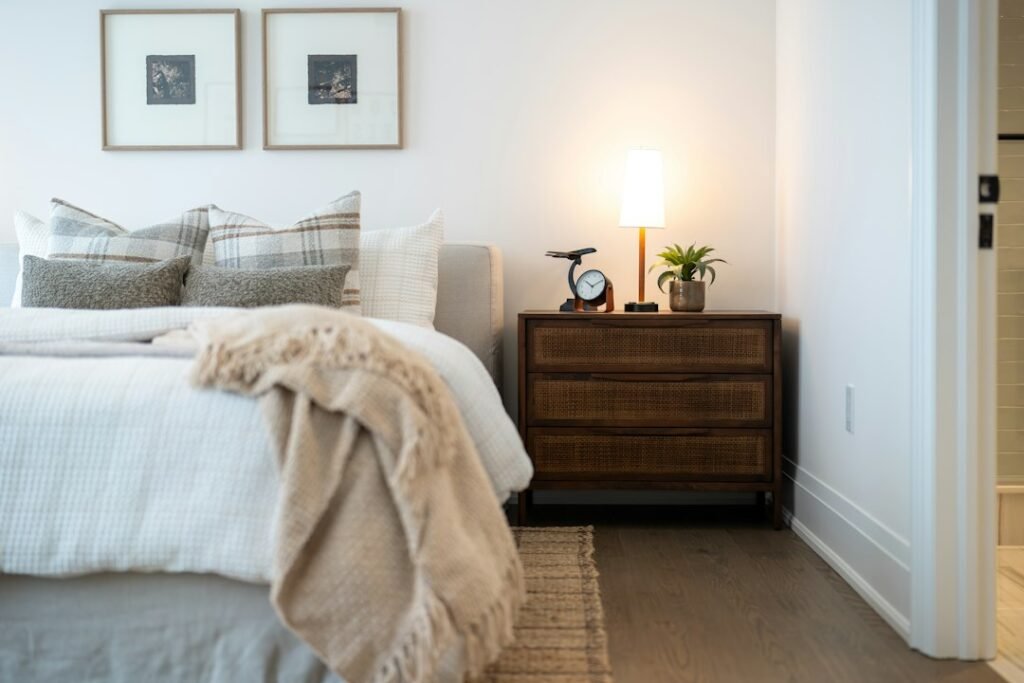
- Under-bed storage is high-value: flat boxes for off-season clothes or spare linens keep bedroom circulation clear.
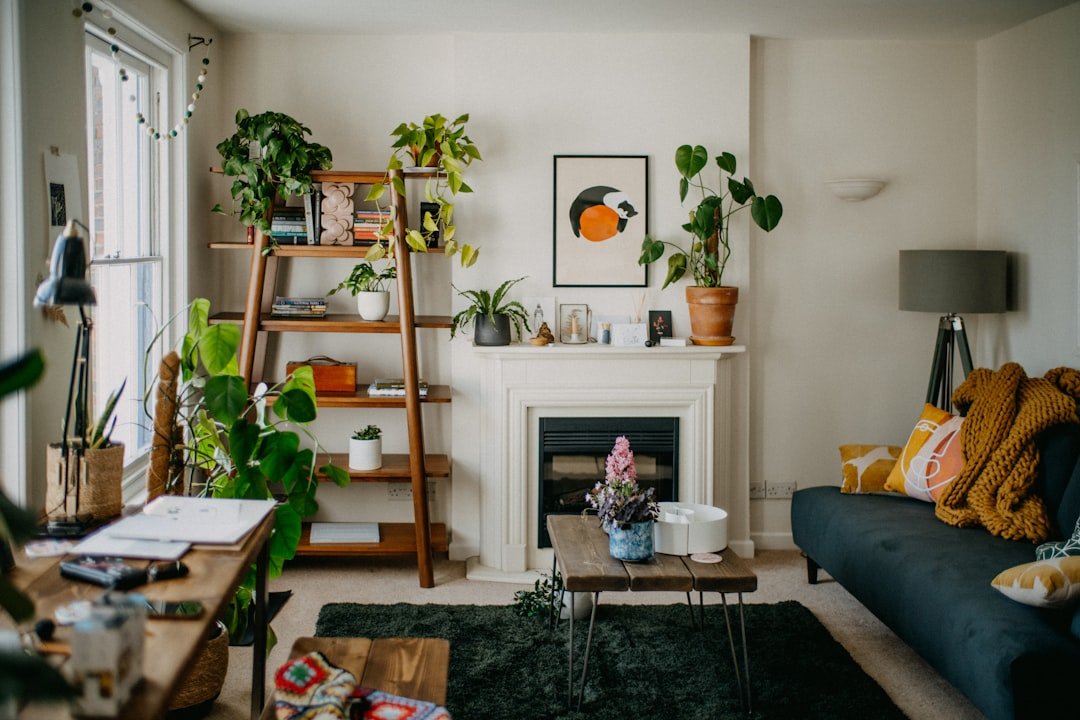
Concealment isn’t hiding problems—it's editing with boundaries
Concealed storage (baskets, boxes, cabinetry) keeps surfaces clean, but it only works if you maintain limits. Give each container a strict capacity and make restocking part of weekly chores.
Control visual clutter with uniform containers and a restrained palette
Too many colors, materials, and labels create noise. Pick 2–3 container styles and a neutral palette so storage reads as part of the room, not as “stuff.”
- Clear boxes for things you need to see; woven baskets or matching fabric bins where contents are less important.
- Limit open shelving displays to 8–12 items; rotate what’s on show seasonally.
- Use trays to corral small items on surfaces—this reduces scattered bits without adding more containers.
Adopt small daily and weekly habits that stop clutter from returning
Organization is maintenance. Short routines prevent a small home from regressing into chaos.
- Daily 5-minute tidy: return items to their home before bed.
- Weekly reset: empty counters, clear entry catch-all, and straighten one shelf.
- Monthly audit: revisit one box or drawer and remove anything unused.
When to choose visible storage vs. hidden storage
Visible storage works for things you use every day (mugs, keys, towels) because it's fast. Hidden storage is better for infrequently used items and anything that visually distracts.
Trade-off example: a neatly styled bookshelf can serve as decor and storage, but if it tempts you to overflow it with possessions, switch to closed cabinetry or baskets to enforce limits.
One product that helps: a large stackable storage solution
If you need a single versatile container to organize closets, under beds, or a garage corner, a heavy-duty stackable box is practical, weather-resistant, and easy to label.
- Decide what to keep by category, not room.
- Measure narrow spaces before buying vertical units.
- Set a visible limit for open-shelf items (8–12).
- Create one donation bag and remove it within 48 hours.
- Assign a home for incoming mail and keys at the entry.
Organizing a small home without it feeling cluttered relies less on buying solutions and more on three habits: thoughtful editing, assigning homes close to use, and keeping storage visually consistent. Small routines protect your gains.
How often should I declutter a small home?
Do a quick surface tidy daily and a focused declutter by category every 3–6 months; schedule deeper edits annually for seasonal items.
What’s the best way to store seasonal clothes in a small place?
Use flat under-bed boxes or vacuum bags, label them, and keep them near the bedroom closet so swapping seasons is one easy visit.
Are open shelves or closed cabinets better in small homes?
Closed cabinets keep visual calm and limit over-accumulation; open shelves work if you commit to strict editing and minimal display items.
How can I make a tiny entryway functional?
Install wall hooks for coats and bags, a slim shelf or tray for keys and mail, and a small bench with shoe storage—keep surfaces clear daily.
Can minimalism work if I don’t want to get rid of things?
Yes: practice containment and rotation—store sentimental or seldom-used items in well-labeled boxes and limit what’s displayed to essentials you enjoy.