Agent Login
 Wishlist
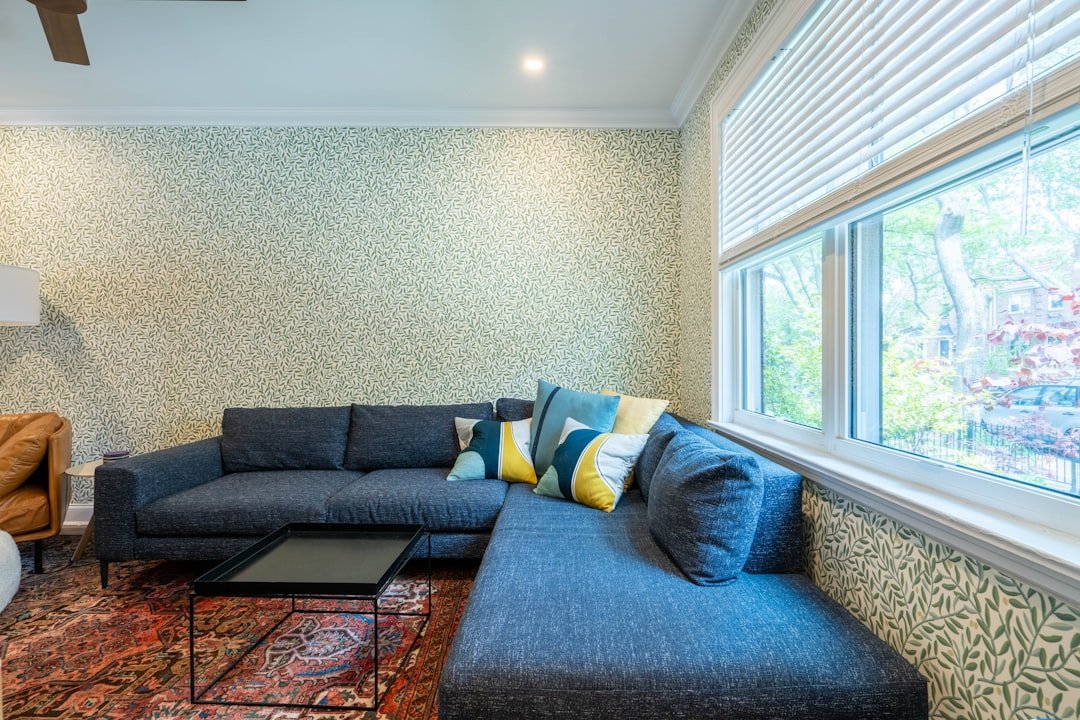
Small adjustments that actually change how a room feels
When a room feels uneasy, it's rarely one big problem—it's several small things adding friction. You can make a room feel comfortable without renovating: focus on lighting, seating, texture, scent and visual calm. Start by assessing what you notice first when you walk in (brightness, clutter, temperature) and use the suggestions below to fix those immediate friction points.
Balance light for mood and function
Comfortable rooms have layers of light: ambient, task and accent. Overhead fixtures are fine for function, but they rarely make a room inviting on their own.
- Swap one hard overhead bulb for a warm (2700–3000K) LED and add a table or floor lamp for softer, local illumination.
- Place a lamp near reading or seating areas rather than relying solely on central lighting—this creates pockets of invitation.
- Use dimmers or smart bulbs where possible. Lowering light by 30–50% in the evening immediately reduces visual stress.
Even a single lamp moved to the right spot can transform perception of the whole space.
Choose seating that invites you to stay
Comfort starts with where you sit. Evaluate seats for size, depth and support: a sofa that’s too shallow or a chair that tips you forward won’t feel cozy—even with cushions.
- Prioritize one “primary” seat (sofa or large armchair) that suits your typical use—reading, watching TV, chatting. Make that seat the most comfortable in the room.
- Add a footstool or ottoman to allow leg support; people feel more relaxed with supported feet.
- Keep a small side table within reach for drinks, a book or phone to avoid awkward reaching that breaks comfort.
Layer textiles for warmth and sound control
Textiles add both tactile warmth and acoustic softness. Start simple and build outward.
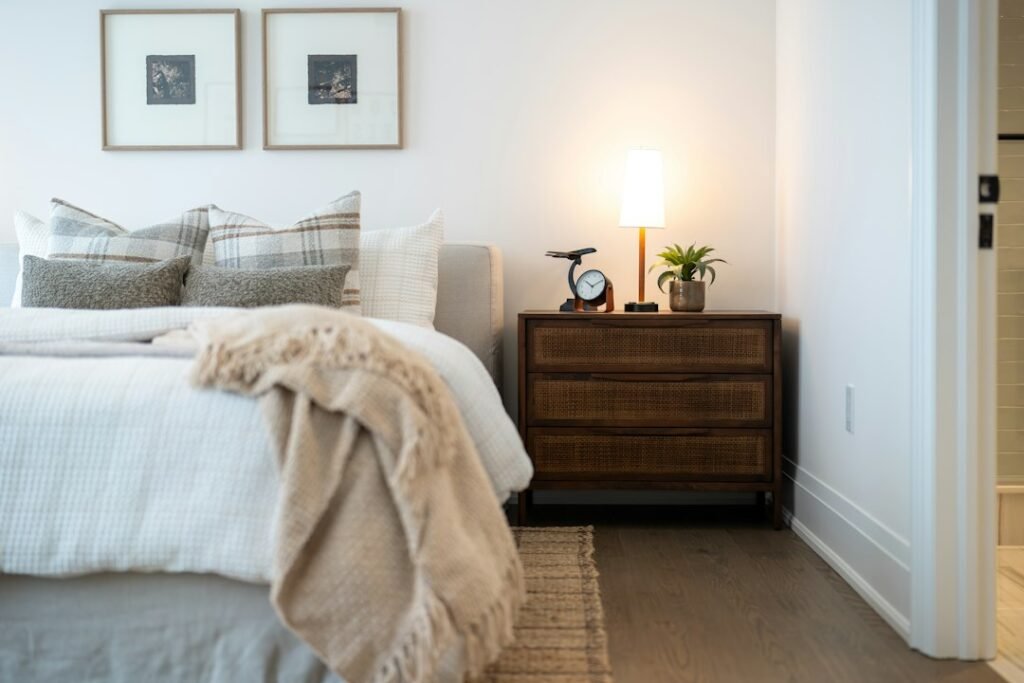
- Rug: anchor the seating area with a rug large enough for front legs of sofas/chairs—this visually ties the space together.
- Pillows and throws: combine one supportive cushion with one softer throw pillow; a textured throw on the armrest invites sitting.
- Window treatments: heavy or lined curtains reduce drafts and echo, making rooms feel more insulated and calm.
Choose two or three complementary textures (e.g., linen, knit, wool) and repeat them in different places to create cohesion.
Declutter thoughtfully and create resting spots for the eye
Visual clutter raises stress. That doesn't mean sterile minimalism—aim for curated, intentional surfaces.
- Clear one horizontal plane (coffee table or console) and leave a small, styled vignette instead: a stack of books, a coaster and a low vase.
- Use trays or baskets to corral small items like remotes, mail or keys so they have a home rather than scattering across surfaces.
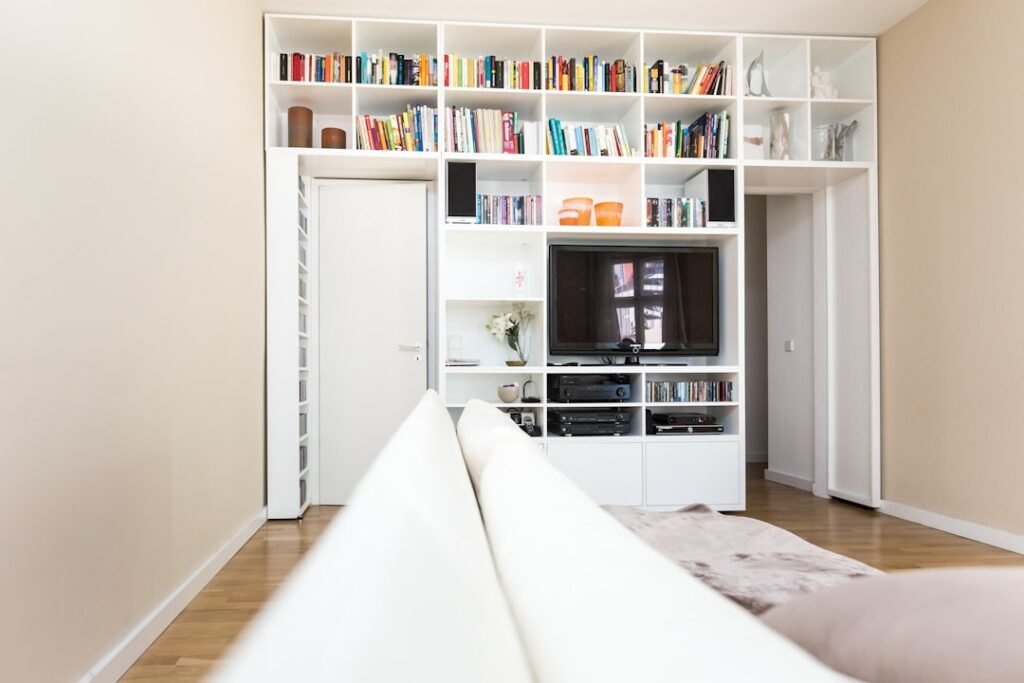
- Open shelving should show fewer, larger objects rather than many small pieces; negative space is a design tool.
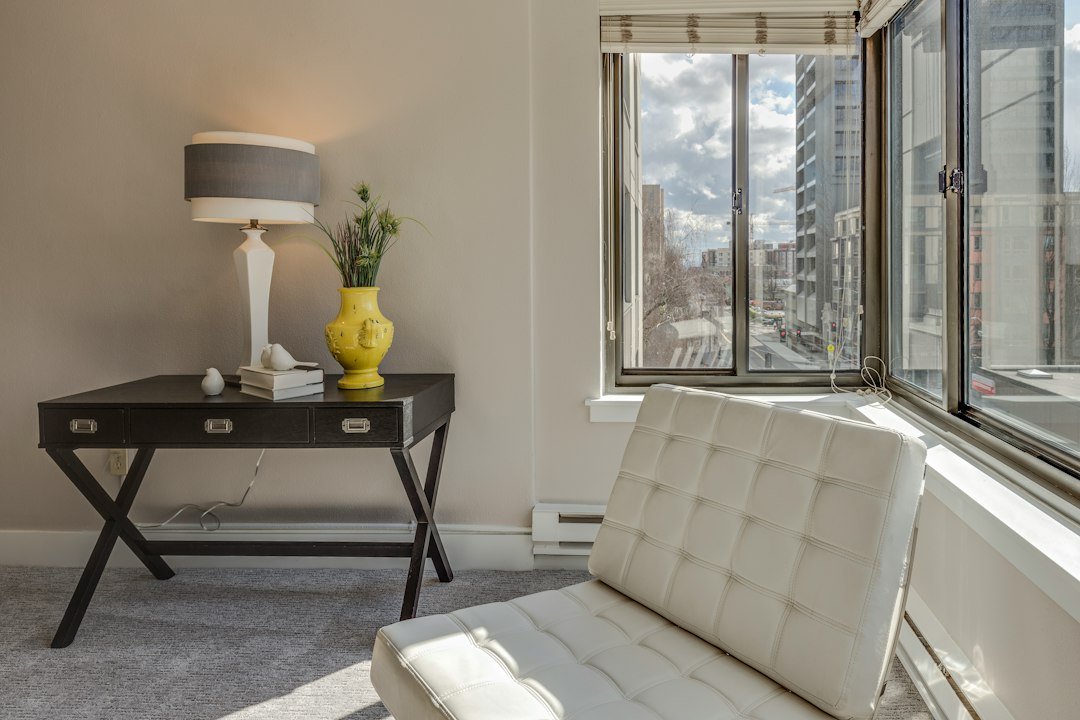
Add a few thoughtful finishing touches
Finishing touches are what make a room feel lived-in and intentional.
- Greenery: one well-placed plant (a potted ficus, snake plant or peace lily) adds life and softens corners.
- Scent: choose a subtle room scent—a candle or reed diffuser placed safely out of reach—that matches the room’s mood (fresh linen, cedar, warm spice).
- Art and frames: hang art at eye level (center approx. 57–60 inches from floor). Smaller frames look better grouped rather than scattered.
Mind temperature and clean air for bodily comfort
A room can look perfect but still feel unpleasant if it's too drafty, stuffy or dry. Aim for a stable, comfortable temperature and fresh air flow.
- Use rugs and curtains to reduce cold floors and drafts.
- If the room feels stale or you live in an area with allergens, consider a small air purifier to improve comfort and sleep quality.
For those who want a reliable, general-use option that fits living rooms and bedrooms, an air cleaner with a HEPA filter makes a noticeable difference without large footprint.
Scale and proportion: keep furniture sizes in balance
Furniture that’s too large overwhelms; too small fragments a room. Test scale quickly with painter’s tape on the floor to mark the footprint of a proposed piece before buying.
- Maintain at least 18 inches between a sofa and coffee table for legroom; allow 30–36 inches for main walkways.
- In small rooms, choose fewer, larger pieces rather than many small items that make the room feel busy.
Practical lighting and styling examples you can copy
Three quick layouts you can implement in an afternoon:
- Reading nook: armchair + floor lamp + small ottoman + side table with coaster and a low vase.
- Conversation setup: two chairs angled toward each other, shared small rug and central low table—add a table lamp on a console behind one chair.
- Multipurpose living room: sofa anchored by large rug, a reading lamp at one end and a plant at the opposite corner to balance visual weight.
Where to start today
If you want immediate impact, pick one focal seat and a lamp: make that seat comfortable, add a throw and ensure it has warm, directed light. From there, add one textural layer and clear one surface for a calm visual resting spot.
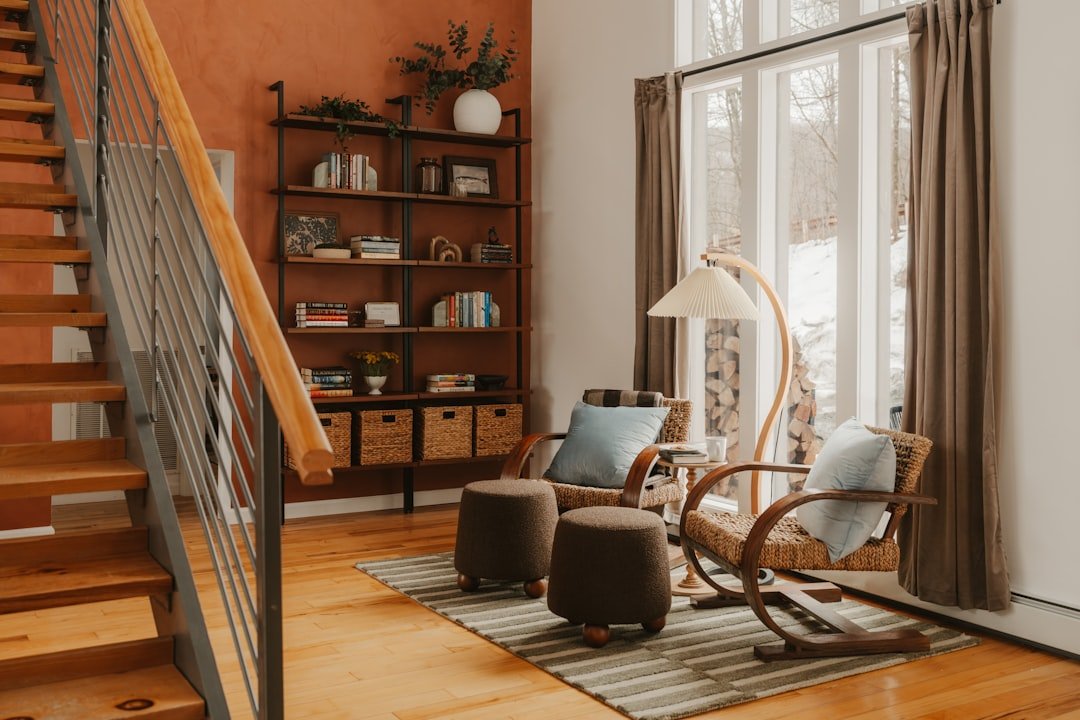
- Replace harsh bulbs with warm LED or add a lamp near seating.
- Test main seat for depth and add an ottoman if needed.
- Anchor seating with a rug and layer one throw and two pillows.
- Create a single, clutter-free vignette on a table or console.
- Add a plant and a subtle scent source placed safely.
- Consider a HEPA air purifier if the room feels stuffy or dusty.
Comfortable rooms are built from a handful of consistent choices: layered lighting, supportive seating, tactile textiles, and deliberate surfaces. Start small—one cozy seat and one lamp—and expand outward as you notice what helps you relax.
How much should I spend to make a room comfortable?
You can make meaningful improvements for under $100 (lamp, throw, a plant). Larger investments like new rugs or a high-quality chair help more long-term but aren’t required to start.
What color schemes make a room feel cozier?
Warm neutrals, muted earth tones and soft pastels that lean warm generally read as cozier than stark cool palettes; texture matters as much as color.
Do rugs actually affect comfort or just looks?
Rugs add thermal insulation, reduce echo, and create a defined seating area—so they improve both physical and perceived comfort.
How can I make a rental feel cozy without permanent changes?
Use removable hooks for art, freestanding lamps, rugs, curtains hung with tension rods, and textiles; these add warmth without altering the property.
Which room benefits most from improving comfort first?
Start with the room you use most—often the living room or bedroom—because improvements there deliver daily returns on comfort.