Agent Login
 Wishlist
What actually helps after a hard session (and what you can ignore)
After a tough workout the goal is to restore function and reduce unnecessary discomfort so you can train again sooner. Focus on three things: rehydrate, give muscles some targeted movement or release, and refuel with a bit of protein plus carbs. Ignore flashy "instant fixes" that promise overnight recovery—most are low-impact compared with sleep, food, and movement. The phrase post-workout recovery will guide the practical steps below.
Immediate 0–20 minute actions: quick wins that change how you feel
- Slow your breathing and cool down: Walk for 5–10 minutes after intense cardio or finish a strength session with 2–3 minutes of light movement. This clears metabolic byproducts and reduces dizziness.
- Rehydrate with electrolytes if you sweated heavily: Plain water works for many, but if your session was long or hot, include sodium and potassium (sports drink, electrolyte tablet, or a salted snack).
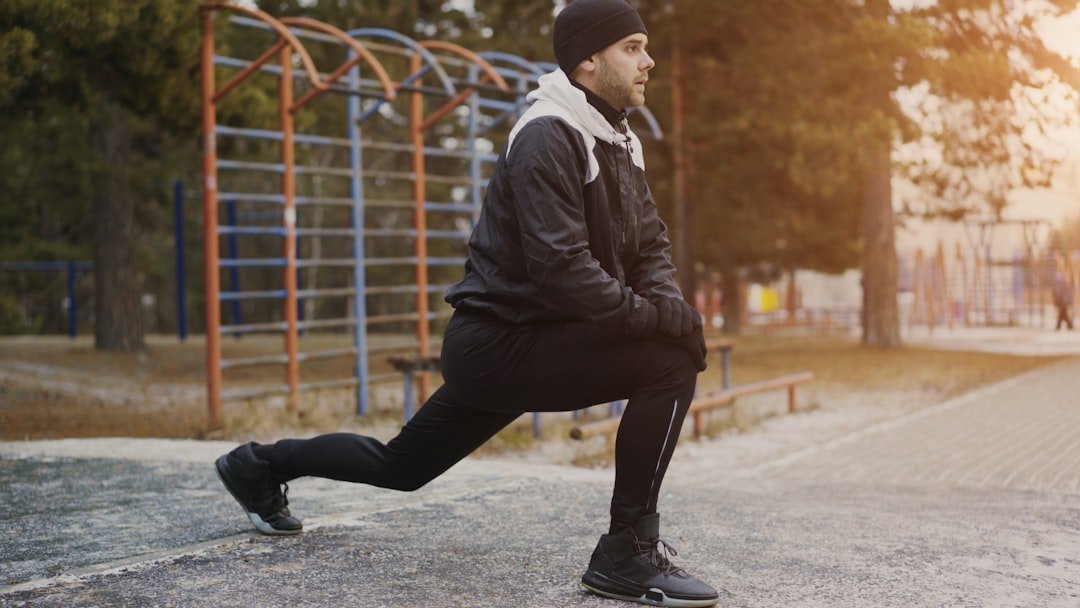
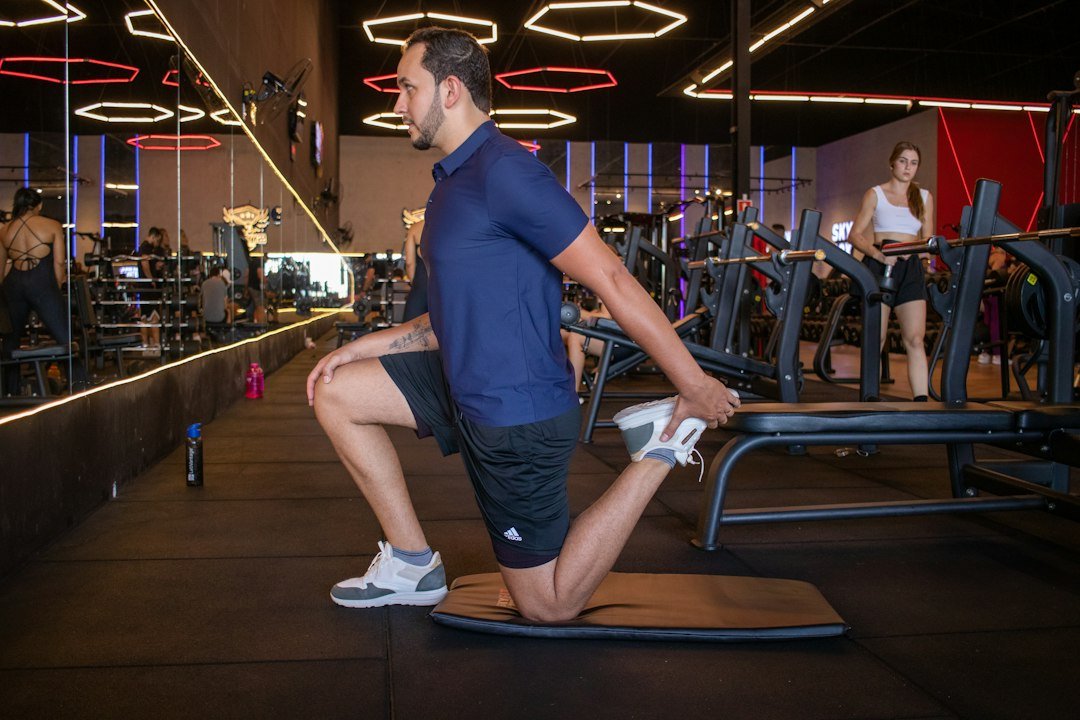
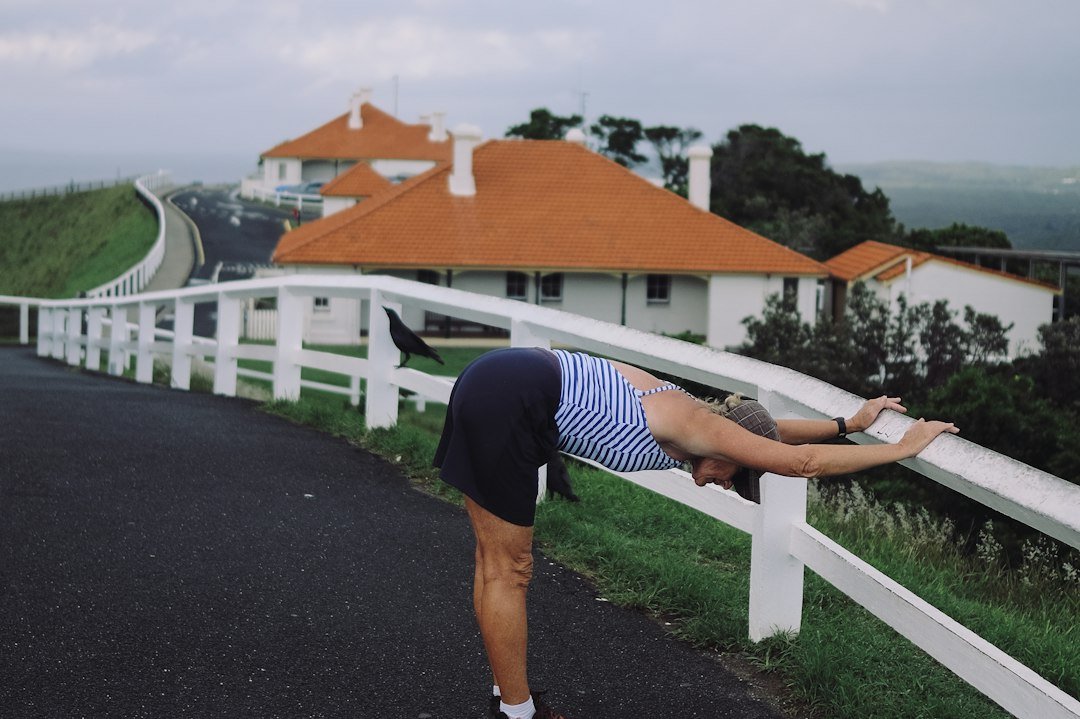
- Do a brief targeted stretch sequence: Hold each stretch 20–30 seconds for major areas you used — hamstrings, quads, chest, shoulders. These aren’t about increasing flexibility immediately but about reducing tightness and restoring joint range.
- Eat a small recovery snack within 30–60 minutes: Aim for ~20–30 g protein and some carbs—Greek yogurt with fruit, a protein shake and banana, or a turkey sandwich. That combo helps start muscle repair and refills glycogen.
Self-massage and myofascial release: foam rolling without the confusion
Foam rolling and similar tools can reduce stiffness and improve movement if used correctly. Spend 1–3 minutes per muscle group, moving slowly and avoiding sharp pain. Use a softer roller if you’re new; a harder roller is fine for habitual users who tolerate more pressure.
Practical example: roll your quads from hip to knee for 60–90 seconds, pausing on tender spots for 10–20 seconds. Finish with 30 seconds of active movement (bodyweight squats or walking lunges) to reconnect mobility with strength.
When to use ice or heat (short guide)
Use ice for acute, painful inflammation (sharp joint pain, a new sprain) for 10–15 minutes at a time. Use heat to ease chronic tightness or before a mobility session to help tissue relax. For ordinary post-workout muscle soreness, neither is essential—pick what relieves you and keep sessions short.
Active recovery sessions that actually speed adaptation
On easy days, choose low-intensity movement: 20–40 minutes of brisk walking, an easy bike ride, or a gentle swim. Active recovery increases blood flow without causing more muscle damage, helping soreness fade faster than total rest for many people.
Sleep and daily habits that multiply recovery
Sleep is the highest-leverage recovery tool. Aim for consistent bed and wake times and prioritize 7–9 hours. Also watch overall daily movement—long periods of sitting stiffen muscles; short walks or posture breaks spread throughout the day help recovery.
Small gear that helps (when it fits your routine)
If you travel, train early, or want consistent tracking, a simple accessory or two can save time and reduce guesswork. For most readers one useful product fits naturally here: a fitness tracker to monitor heart rate trends, sleep, and daily strain.
Use case: if you want to know whether your heart rate variability or sleep dropped after a heavy session, the tracker gives objective feedback so you can program easier sessions when needed.
How to tell normal soreness from something that needs attention
Normal delayed onset muscle soreness (DOMS) shows up 24–48 hours after work, feels like dull ache and stiffness, and improves with light movement. Red flags: sharp localized pain, swelling, joint instability, or pain that prevents normal walking or range of motion—get professional advice if you see these.
Weekly rhythm: plan recovery into your training week
Mix training stress with lighter days. A practical template for many people is 2–3 higher-intensity sessions, 1 active recovery session, and 1–2 easy or rest days per week. Adjust based on sleep, appetite, mood, and tracked metrics from a wearable.
Real-life examples you can copy
- After a heavy leg day: 10-minute walk, 3 stretches for quads/hamstrings/glutes (30s each), 25 g whey + banana, 5 minutes foam rolling quads.
- After an intense interval run: 8-minute easy cooldown jog/walk, electrolyte drink if sweating a lot, hot shower and 20–30 minute easy bike the next day as active recovery.
- When travel disrupts recovery: prioritize sleep, take short walks every 90 minutes, and keep protein-rich snacks handy to maintain repair momentum.
When to adjust and scale these tips
If you’re new to training, reduce session length or intensity before changing recovery tools—the simpler route is often to train less hard rather than add more recovery gadgets. Experienced athletes can increase active recovery intensity slightly but keep total weekly stress predictable.
- Did I cool down with 5–10 minutes of light movement?
- Have I had a protein + carb snack within 30–60 minutes?
- Did I rehydrate and replace electrolytes if necessary?
- Have I scheduled active recovery or an easy day tomorrow?
- Is my sleep plan set for tonight (consistent bedtime)?
Focus on the basics: cool down, hydrate, eat some protein with carbs, move gently, and prioritize sleep. Use simple tools like a foam roller or fitness tracker to support those habits, not replace them.
How long should I rest between hard workouts?
It depends on intensity; allow 24–72 hours for full recovery of a muscle group—shorter for low-volume sessions, longer after very intense or unfamiliar work.
Can stretching prevent muscle soreness?
Static stretching after a workout can reduce tightness but doesn’t reliably prevent DOMS. Active recovery and gradual progression in training are more effective.
Is protein immediately after exercise necessary?
It helps trigger muscle repair, but if you had protein in the meal within a couple of hours before, you’re likely covered; aim for 20–30 g within the day at minimum.
Should I always foam roll after workouts?
No—foam rolling is useful when you feel tight or limited, but short mobility work and movement are often enough for light workouts.
When is it time to see a professional about pain?
Seek help for sharp, focal pain, swelling, loss of function, or pain that worsens rather than improves over several days.