Agent Login
 Wishlist
Quick answer: the must-have carry-on items to avoid travel hassles
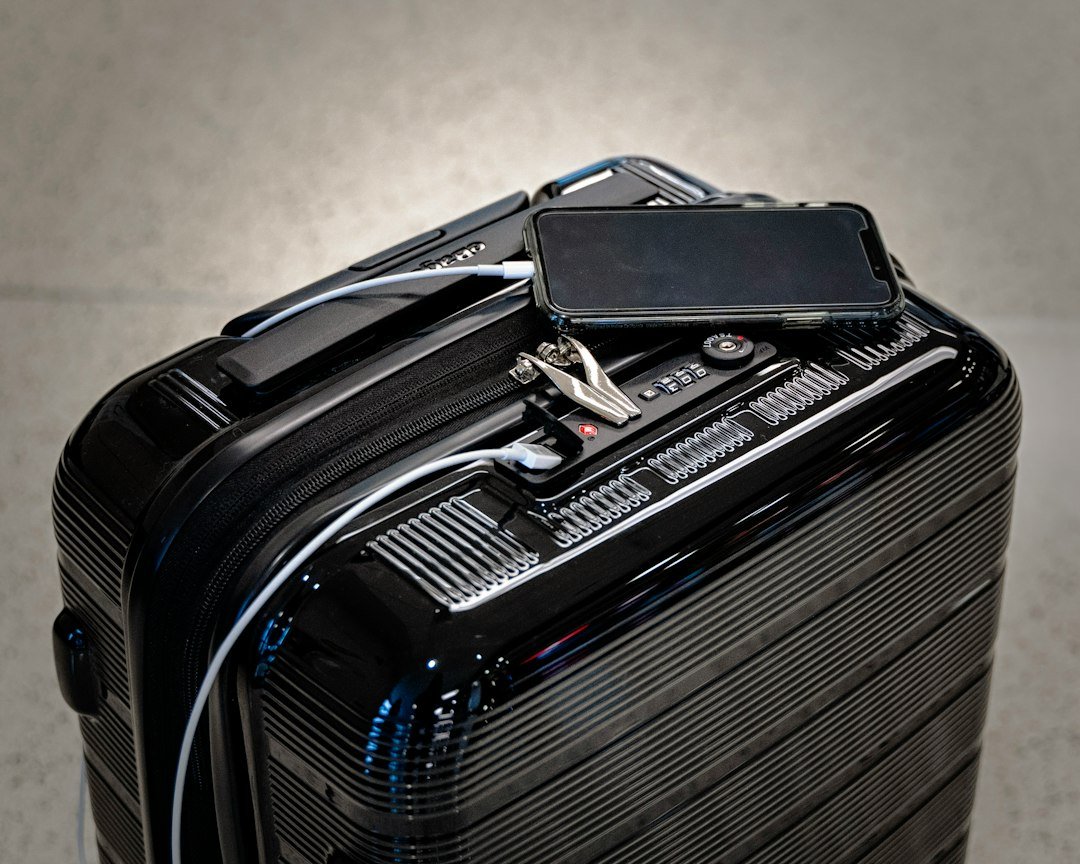
Keep travel documents (passport, boarding pass, ID), a portable charger, one change of clothes, essential medications, a compact toiletry kit (TSA liquids), headphones, and a few comfort items (snack, light layer, eye mask) in your carry-on. These items cover the most common disruptions—lost bags, long delays, and airport security—while helping you stay comfortable and prepared.
Why these carry-on essentials, not just “more stuff”?
Some items solve immediate problems; others prevent small annoyances from becoming big ones. For example, a single extra shirt and underwear handle checked-bag delays. A portable charger prevents missed connections or navigation trouble. Think of your carry-on as an insurance policy that’s compact, legal for the cabin, and practical for the first 24–48 hours of travel.
Travel documents and secure organization
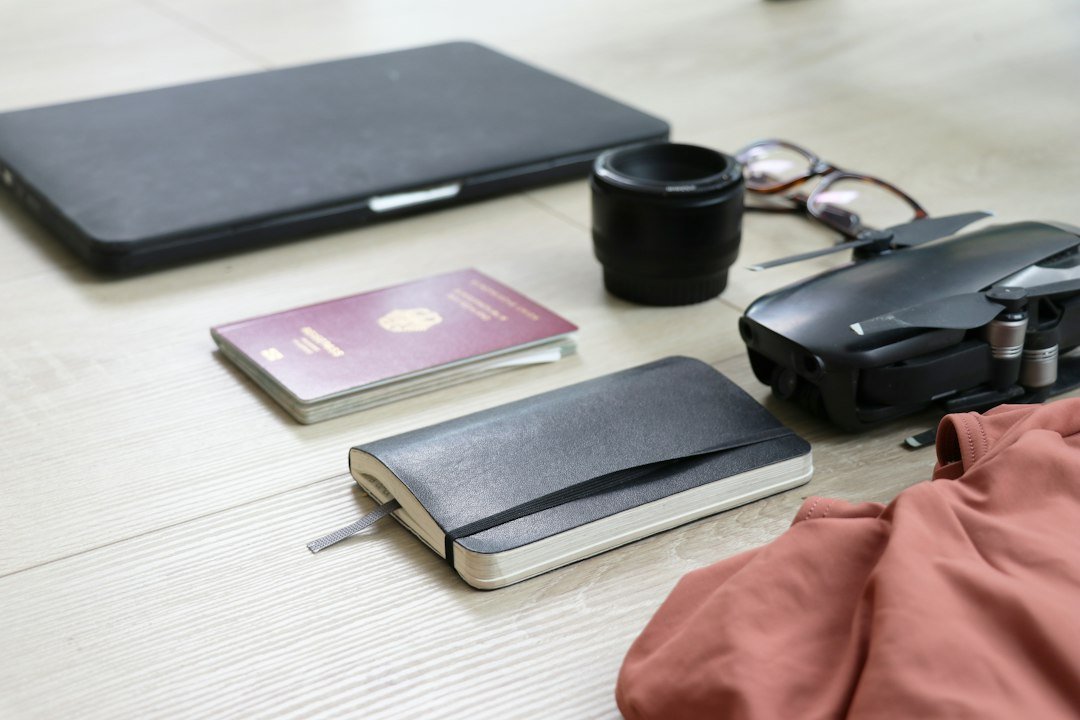
Put critical documents in an easy-to-reach, secure place: passport, printed or mobile boarding pass, any visas, vaccination card if required, and a secondary ID. Use a slim passport holder or travel document organizer so everything stays together during security checks. Keep photocopies or photos of passport and cards on your phone and cloud storage just in case.
Why this matters: consolidating documents makes security lines faster and reduces the chance of misplacing something in a crowded airport.
Power and connectivity: battery banks, cables, and adapters
A high-capacity portable charger and at least one short USB-C and USB-A cable are essential. Charge phones and small laptops before boarding and keep the power bank in your carry-on (airline rule). If you’re traveling internationally, a small universal travel adapter can save a lot of hunting at arrival. Store cables in a small pouch so they don’t tangle with other items.
Comfort and sleep on the go
Planes are uncomfortable by design. A lightweight travel blanket or large scarf, inflatable neck pillow or compact memory-foam option, noise-reducing headphones or good earplugs, and an eye mask make long waits and flights far more tolerable. If you frequently sleep on planes, prioritize noise-canceling headphones over bulkier items.
Toiletries and TSA liquids: compact, accessible, legal
Pack a clear quart-size bag with travel-size liquids (100 ml/3.4 oz max each). Include toothpaste, toothbrush, facial wipes, moisturizer, lip balm, and any essential toiletries you can't go a day without. Wipes and a small hand sanitizer are useful during transfers. If you need prescription liquids, bring a copy of the prescription and keep them accessible for security checks.
Medications and basic health kit
Carry prescription meds in their original labeled containers plus a small pillbox or zip bag for daily doses. Add basic supplies: pain reliever, anti-diarrheal, allergy meds, motion-sickness tablets if needed, and a few adhesive bandages. Keep these in your carry-on, not checked luggage, and bring copies of prescriptions for international trips.
Clothing strategy: freshen, don’t overpack
Include one change of underwear and a lightweight top or dress folded flat in a compression cube or zip bag. If your bag checks get delayed, you can meet anyone expecting you and sleep comfortably. Add a compact rain shell or foldable jacket if the destination’s weather is unpredictable. For short trips, plan outfits that layer and can be reworn with fresh accessories.
Snacks, water, and small comforts
Airport food can be expensive and limited. Pack a few non-perishable snacks—nuts, granola bars, or dried fruit—and an empty refillable water bottle to fill after security. A small pack of gum helps with ear pressure during takeoff and landing.
Security tools and personal safety
Carry a money belt or slim travel wallet for extra security. A compact travel lock or cable lock can secure your bag in hostels. If you often travel to busy cities, consider a slim crossbody anti-theft bag for valuables when you leave the airport.
Tech and entertainment: what to load and bring
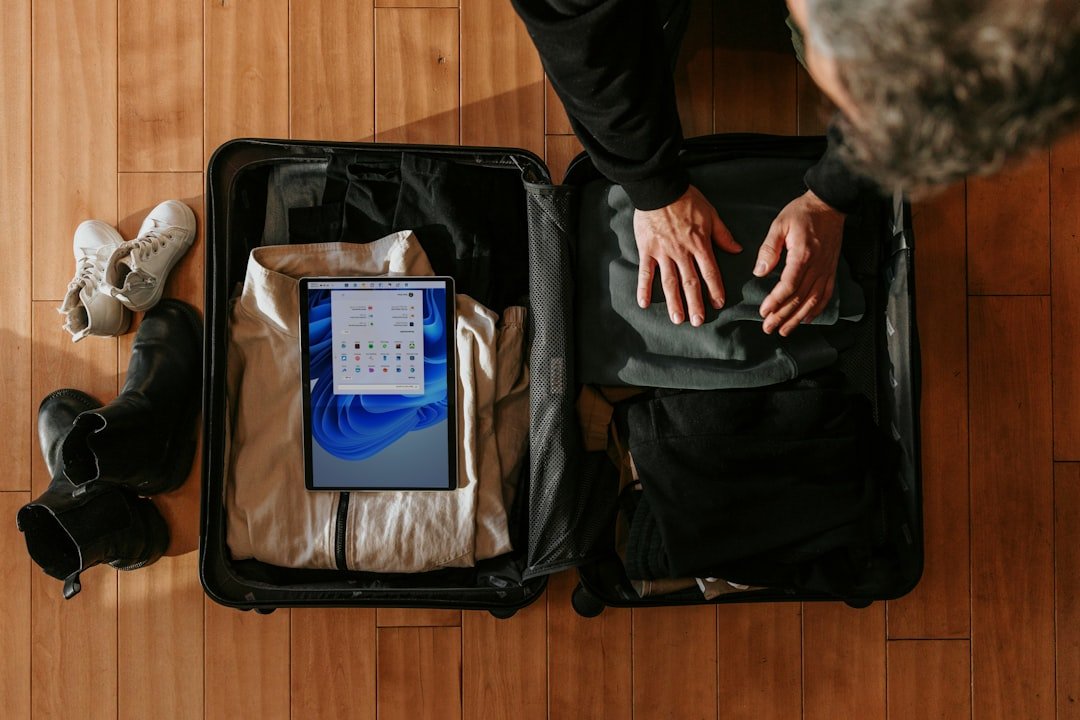
Pre-download maps and entertainment (podcasts, shows, books) for times without Wi‑Fi. Bring a small multi-plug surge adapter or travel adapter if you’ll be charging multiple devices in cramped airport outlets. Load essential apps (airline, hotel, maps) and screenshots of reservations in case connectivity is spotty.
Packing organization: small systems that prevent big headaches
Packing cubes, a clear liquids bag, and a single zip pouch for cables keep the carry-on orderly and security-friendly. Use a shoe bag for dirty items and designate one pocket for travel documents. When you arrive, you’ll be able to find the essentials quickly without unpacking everything.
When to skip an item or downgrade
If your airline offers generous in-cabin power and you travel light, you might downgrade the size of your power bank. For short flights, skip the neck pillow. For trips where fashion matters more than function, keep the carry-on minimal and pack comforts into checked luggage—but still keep documents, meds, and a change of clothes in the cabin.
Being deliberate about what you keep in your carry-on saves stress and prevents common travel mishaps. With documents, power, meds, a small toiletry kit, comfort pieces and a plan for organization, you’ll handle delays or lost luggage without a crisis.
- Gather passport, boarding pass (digital + paper), and any visas in one holder.
- Pack a charged power bank, short cables, and a travel adapter if needed.
- Include prescription meds, a mini first-aid kit, and printed prescriptions.
- One change of clothes and a lightweight layer or rain shell.
- Clear liquids bag with essentials and spare travel-size toiletries.
- Snacks, empty refillable water bottle, and noise-canceling headphones or earplugs.
Keep a small set of high-impact items in your carry-on—documents, power, meds, a spare outfit, toiletry basics and a few comforts. Organize them so they’re accessible during security and upon arrival; that simple habit prevents most common travel problems.
How much liquid can I carry in my carry-on?
For flights subject to TSA rules, containers must be 100 ml (3.4 oz) or smaller and fit in a single clear quart-size bag. Rules vary internationally, so check the airport authority if in doubt.
Can I bring prescription medication in my carry-on?
Yes—bring prescription meds in their original labeled containers and carry a copy of the prescription; keep them in your carry-on rather than checked luggage.
Is a power bank allowed in checked luggage?
No—airlines require lithium-ion power banks to be carried in the cabin, not checked luggage. Keep it charged and accessible in your carry-on.
What’s the best way to organize small tech and cables?
Use a small zip pouch or tech organizer with elastic loops; label one cable as the “daily” charger and store backups separately to avoid tangles.
Should I pack valuables in my carry-on?
Yes—store jewelry, cash, expensive electronics and important documents in your carry-on to reduce the risk of loss or theft from checked bags.