Agent Login
 Wishlist
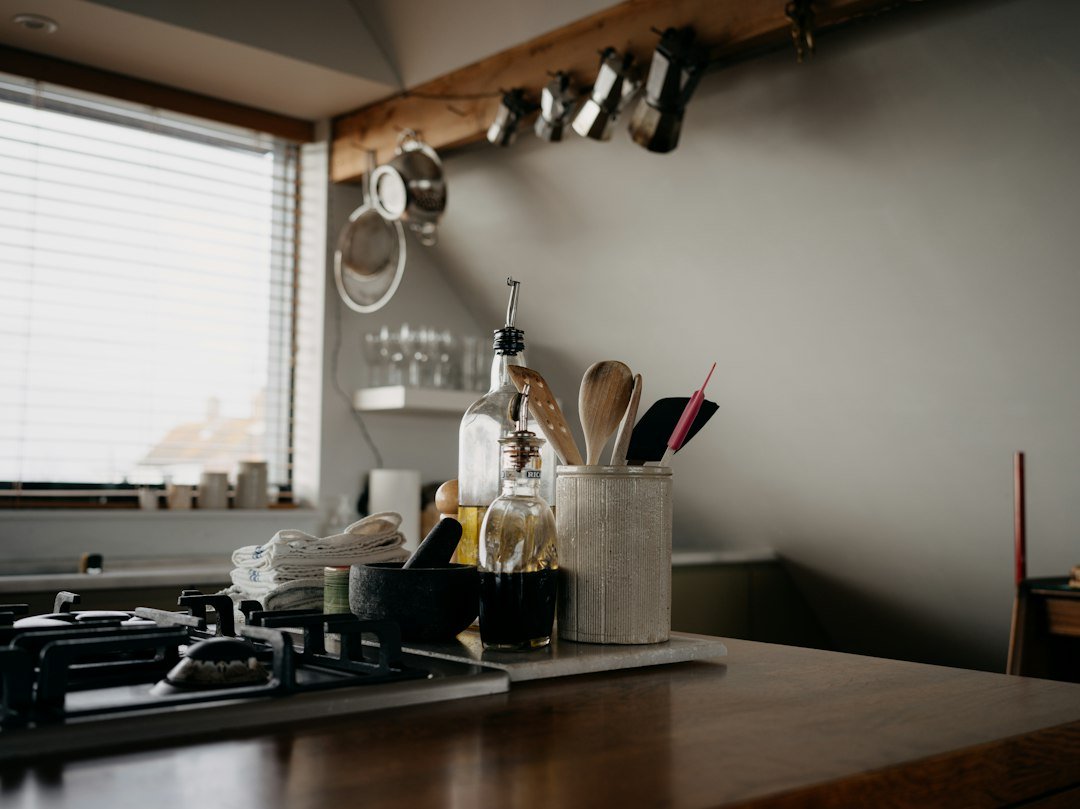
Quick answer: Arrange for the way you cook so the things you use most are closest—create clear zones (prep, cooking, cleanup, pantry, baking), declutter surfaces, and store tools and ingredients where you reach for them during real meals.
Getting faster at everyday cooking isn’t about buying gadgets; it’s about a kitchen layout and simple routines that remove friction. Below is a practical, ordered plan to organize your kitchen so each meal requires fewer decisions and less searching.
Start with a reality check: map how you actually cook
Spend one evening watching yourself make dinner and note where you walk, what you open, and which tools you grab. Mark these areas: fridge access, prep surface, stove, sink/dishwasher, and ingredient storage. This map becomes the blueprint for organizing—don’t assume how you should cook, use how you do cook.
Create functional zones and place items by frequency
Define five core zones and keep only the related items in each:
- Prep zone: knives, cutting boards, mixing bowls, measuring cups—right beside your main countertop.
- Cooking zone: pots, pans, spatulas, frequently used oils and salt—within arm’s reach of the stove.
- Cleanup zone: dish soap, scrubbers, trash and recycling—around the sink and dishwasher for one-motion clearing and rinsing.
- Pantry zone: dry goods and frequently used canned items—group by use (breakfast, baking, sauces) with clear labels.
- Baking/occasional zone: stand mixer, baking pans, cookie sheets—store where they’re accessible but not in the everyday flow.
Place the most-used items closest. Reserve deep cabinets for seldom-used specialty appliances.
Declutter surfaces and keep a small everyday kit
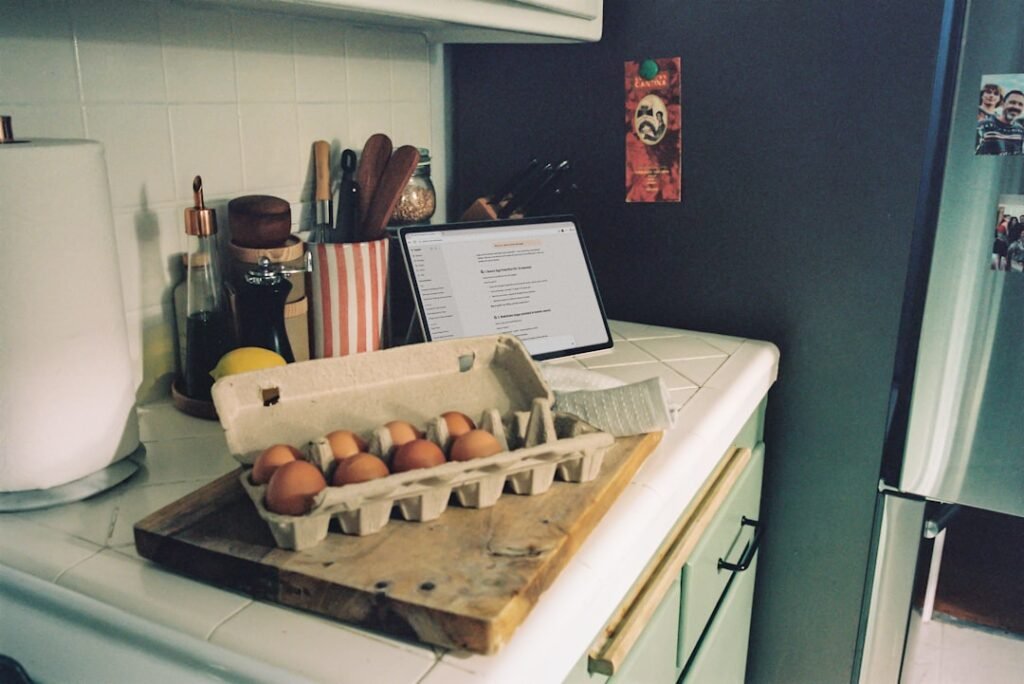
Clear countertops of anything not used daily. Create an "everyday kit"—a shallow tray or small drawer with your three to five most-used tools (paring knife, small spatula, wooden spoon, measuring spoons, can opener). When everything you use often is consolidated, prep flows faster and counters stay tidy.
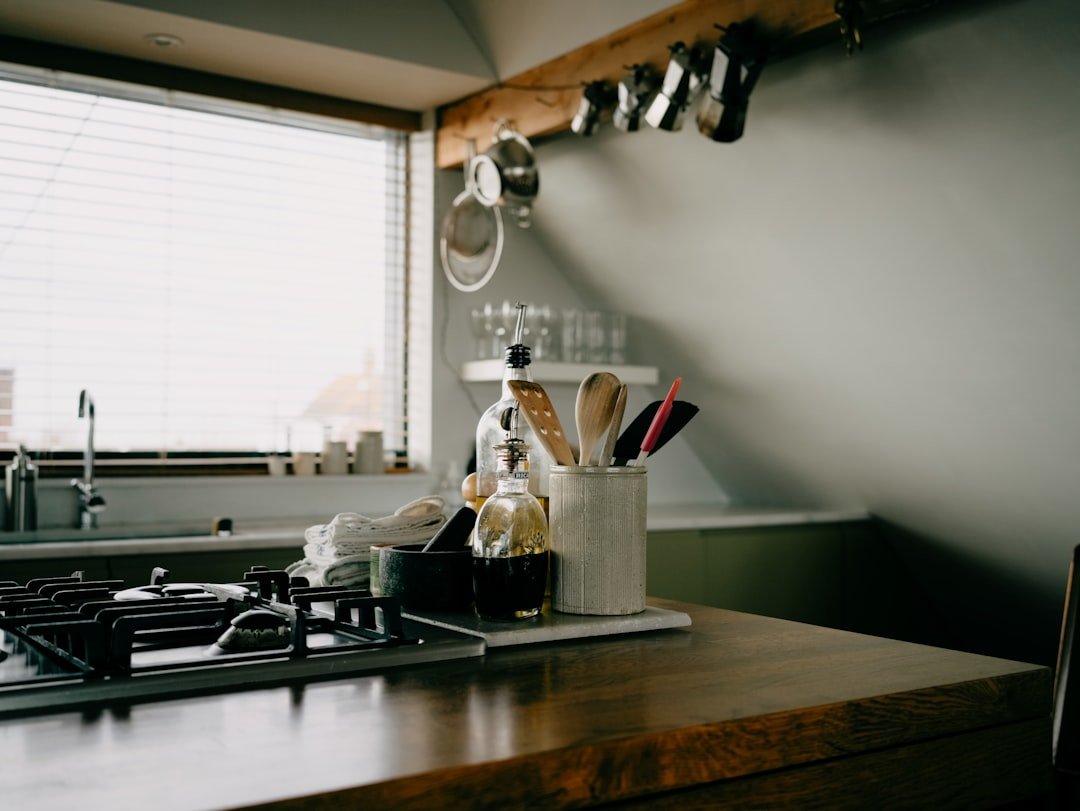
Organize drawers and cabinets for reachability and visibility
Use drawer dividers for cutlery and utensils; place knives and prepping tools in a shallow drawer beside the prep surface. Stack pans vertically with a rack or divider so lids are easy to pull. Use pull-out shelves for heavy items (small appliances, large pots) to avoid awkward lifting from the back of deep cabinets.
Make the pantry fast to scan: containers, labeling, and grouping
Transfer staples (flour, sugar, rice, pasta) to clear, airtight containers so you can instantly see quantities. Label containers with contents and date opened for pantry rotation. Group items by meal type (breakfast cereals and spreads together, pasta and sauces together) and keep a small “grab-and-go” shelf for things used in quick dinners (canned beans, broth, jarred sauces).
Arrange the fridge for quick meal builds
Assign shelves by function: top for ready-to-eat items (leftovers, condiments), middle for dairy and proteins you use most, bottom for raw meats in trays, and produce drawers by humidity setting. Keep a clear, shallow bin labeled “dinner tonight” for prepped components you plan to use that day—no searching when it’s time to cook.
Speed up routine tasks with few strategic tools
You don’t need dozens of gadgets. Invest in a few versatile, high-quality items and store them in the cooking or prep zone:
- A sharp chef’s knife and a honing rod (keeps prep fast and safe).
- A reliable cutting board sized to your counter space.
- Stackable airtight food storage containers for meal prep and leftovers.
Recommended product: for pantry and cabinet organization, consider stackable airtight containers that fit your shelves and keep ingredients visible.
Implement simple systems to keep the organization working
Adopt habits that prevent backsliding:
- Weekly reset: 10–20 minutes on a chosen day to remove expired items, re-label, and return stray items to their zones.
- One-in-one-out rule for new gadgets—if you buy a new appliance, remove or repurpose one you rarely use.
- End-of-cook clearing: load the dishwasher or stack a small drying rack while food rests so cleanup is part of the workflow.
Troubleshooting common setups
Small kitchen or limited storage
Use vertical space—install a rail for hanging pans and utensils near the stove, add slim roll-out shelves, and use stackable containers. Keep rarely used items in higher cabinets or a single under-counter bin.
Shared kitchen or multiple cooks
Agree on zone ownership and label communal locations. Keep duplicate everyday kits if two people cook simultaneously. A whiteboard for “dinner tonight” or meal prep notes avoids confusion.
Pans and bowls that never find a spot
Limit duplicates: keep just 1–2 sizes of mixing bowls and 2–3 essential pans. Use nested storage with a pan lid organizer to reduce volume and improve access.
Quick checklist to get started this weekend
Work one zone at a time—don’t try to reorganize the whole kitchen in one session. Start with the cooking zone (it has the biggest time payoff) then move to pantry, fridge, and drawers.
- Map your cooking flow by watching one meal prep.
- Clear counter clutter; make an everyday kit with top-used tools.
- Reassign one zone and move related items within arm’s reach.
- Transfer pantry staples to clear airtight containers; label them.
- Place a “dinner tonight” bin in the fridge for daily prep.
Speed comes from fewer decisions and shorter steps: put the things you use most where you use them, make ingredients visible, and adopt two simple habits—weekly reset and end-of-cook clearing. Those changes save time every day without extra effort.
How often should I reorganize my kitchen?
Do a quick 10–20 minute reset weekly and a deeper seasonal review every 3–6 months to discard expired items and adjust for changing meal habits.
What are the highest-impact changes to speed cooking?
Creating a clear cooking zone with reachable pots/pans and keeping staples visible in airtight containers deliver the fastest time savings.
Can I organize a small kitchen to cook fast?
Yes—use vertical storage, slim pull-outs, wall rails, and limit duplicates to free up prime counter and cabinet space.
Which items should I keep off the counter?
Store rarely used appliances and decorative items away; keep only your coffee maker or one small appliance that you use every day.